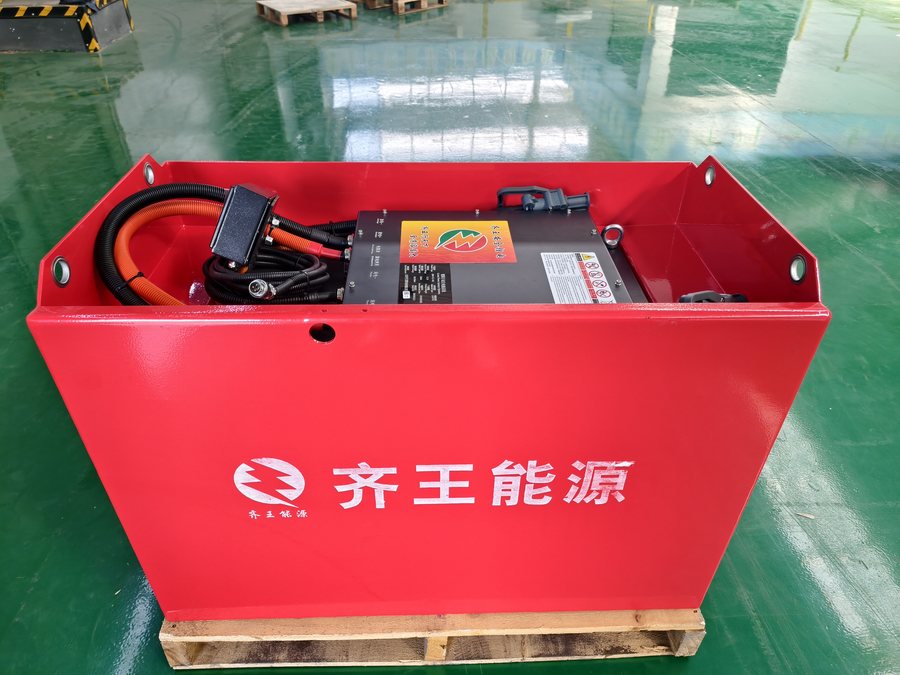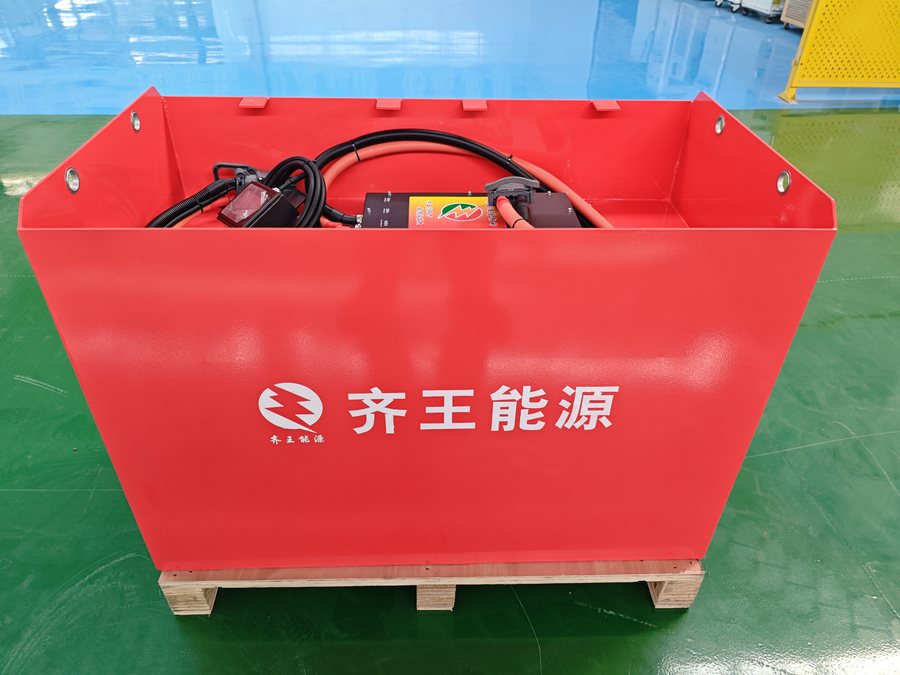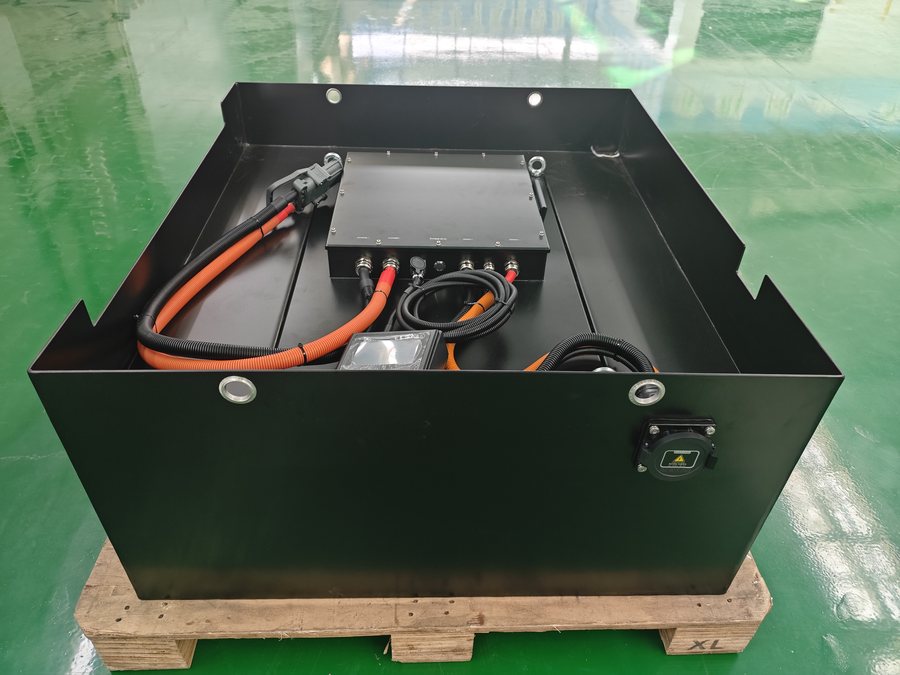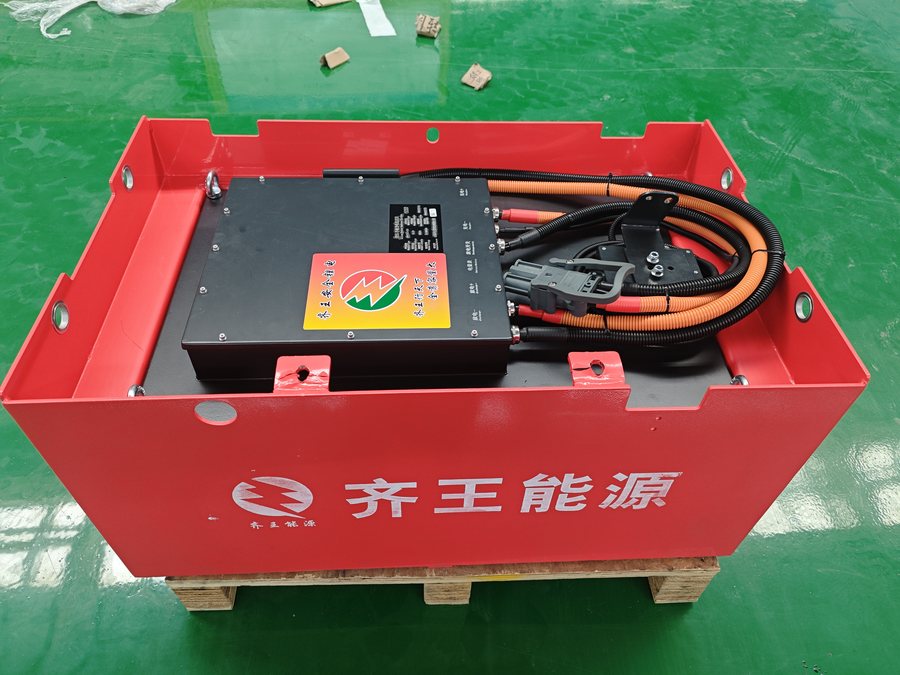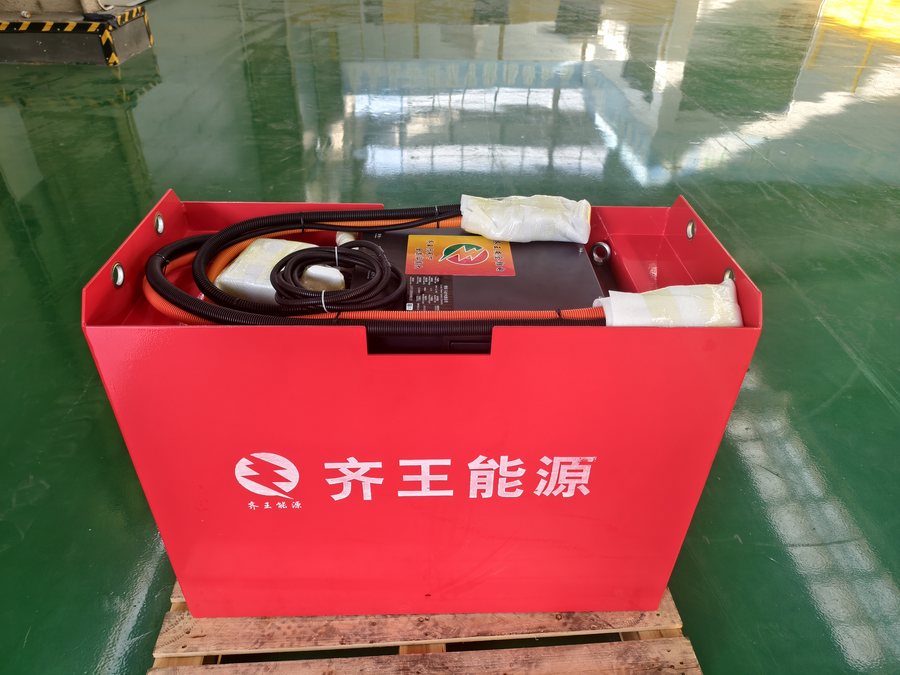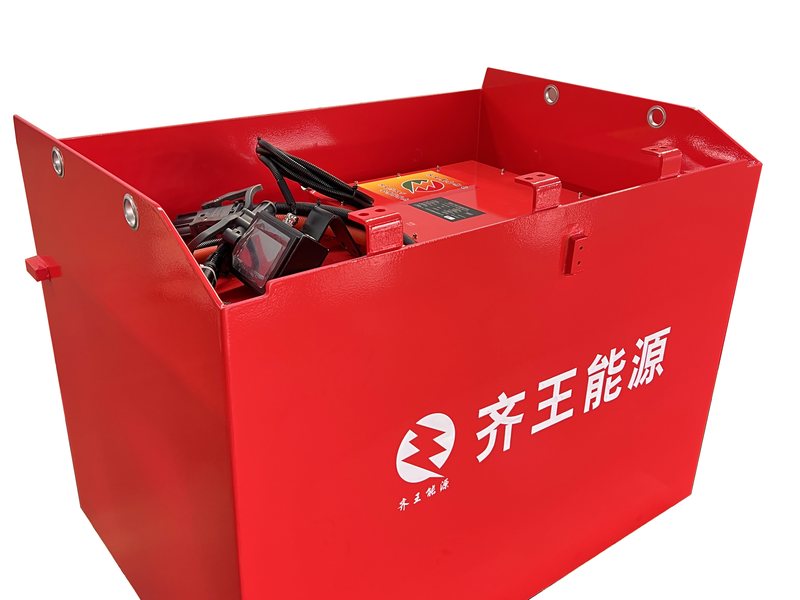
24 V · 48 V · 72 V · 80 V · 96 V
Forklift lithium batteries
Drop-in LiFePO4 replacement for lead-acid traction packs on Heli, Hangcha, Linde, Toyota and Komatsu trucks. 3,000–5,000 cycles, 1–2 hour opportunity charging, zero watering or equalising.
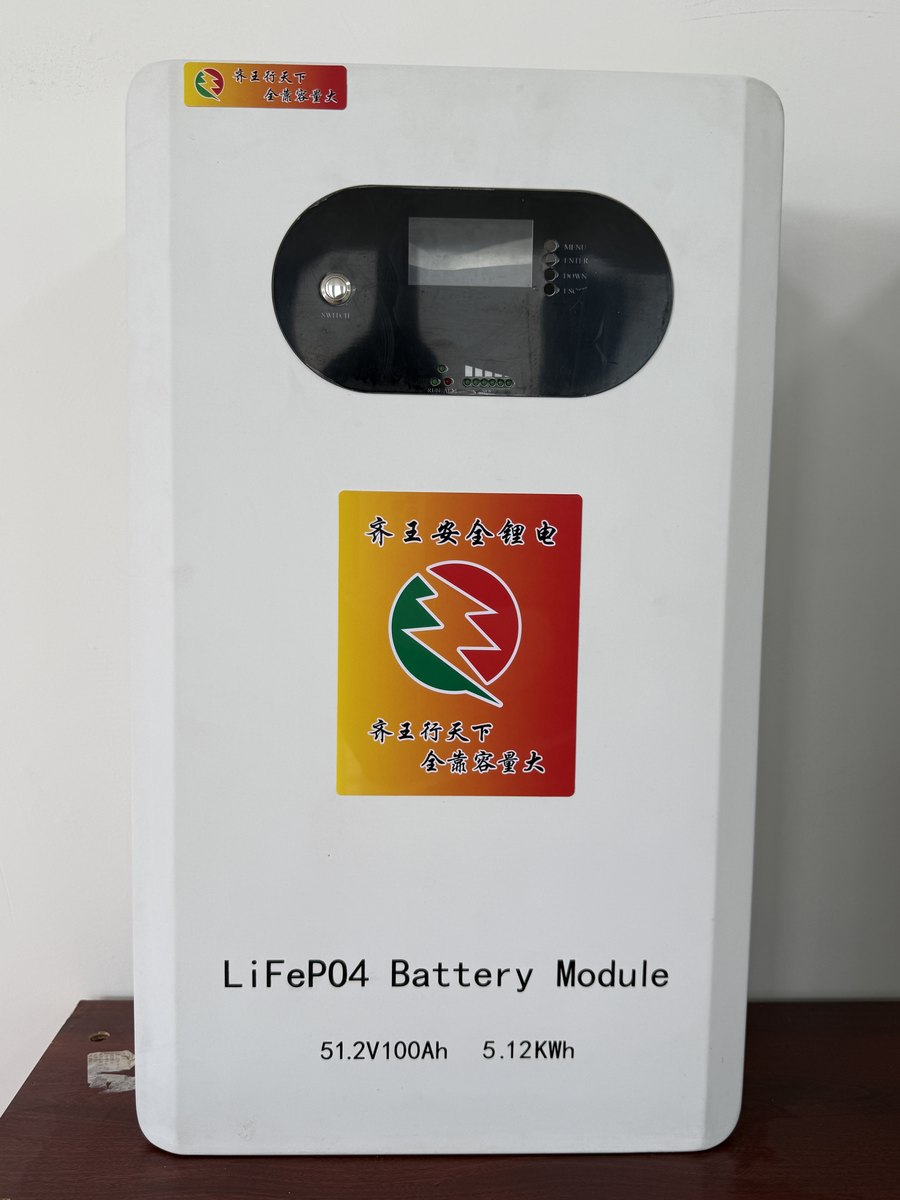
Lithium battery manufacturer · Established 2008
LiFePO4 PACK design, BMS integration, thermal engineering and structural validation under one roof. Send us your duty cycle and truck model — we return a pack specification, a dimensional drawing and an FOB price within one working day.
Product lines
We build traction packs for electric forklifts and stationary PACK systems for storage integrators. Both run on the same LiFePO4 cell qualification process, the same BMS firmware stack and the same test bench.
24 V · 48 V · 72 V · 80 V · 96 V
Drop-in LiFePO4 replacement for lead-acid traction packs on Heli, Hangcha, Linde, Toyota and Komatsu trucks. 3,000–5,000 cycles, 1–2 hour opportunity charging, zero watering or equalising.
3 kWh — 10+ MWh
Wall-mounted, rack-mounted and containerised LFP architectures for residential, C&I and utility-scale projects. OEM and ODM programmes for ESS integrators, including structural and thermal co-design.

Inside the plant
Cell storage, module assembly, busbar welding, BMS integration and ageing run on one site in the Linyi Economic and Technological Development Zone — the same site that has been building traction batteries since 2008.
Why buyers specify Qiwang
Our own engineers own the design from cell selection and BOM through busbar layout, enclosure tooling and final assembly. No third-party design house sits between your specification and the production line.
Active cell balancing, SOC/SOH tracking and CAN 2.0, J1939 or RS485 communication, built on our own BMS stack. Truck controllers and fleet software talk to our packs without adapter hardware.
Independent lithium and lead-acid production run on the same site — 40 mu for lithium, 110 mu for lead-acid. Both are engineered in-house, so a fleet enquiry can be answered with either chemistry on its own merits.
UN38.3 (T1–T8), MSDS, IEC 62619 reports, CE and RoHS declarations and IMDG-compliant sea-freight packing are issued by us before the container leaves Linyi.
5 million kVAh of annual capacity across multiple imported production lines, backed by an on-site battery test centre. Volume orders run on scheduled slots, not queue position.
Your enclosure colour, label, connector set, BMS protocol and firmware identity. Tooling and first-article approval run against your drawing, with NDA and design ownership agreed up front.
How an enquiry becomes a shipped pack
Every export enquiry is answered by the engineer who will own the pack, not a sales inbox. Typical first response within one working day.
Truck model and capacity, shift pattern, lift height, ambient temperature, existing charging infrastructure. We tell you the usable kWh the application actually needs.
Cell format, series/parallel architecture, C-rate, BMS topology, thermal strategy, enclosure dimensions and connector set — issued as a spec sheet with a dimensional drawing.
First article built and cycled on the in-house test bench: capacity, C-rate endurance, thermal delta, vibration and IP sealing. Sample shipped for your own validation.
UN38.3, IEC 62619 and CE documentation released, IMDG-compliant packing, FOB or CIF terms with a production slot confirmed against your schedule.
Where our packs work
The same engineering discipline applied to trucks that never stop and buildings that must not go dark.
Multi-shift reach and counterbalance fleets where opportunity charging replaces battery rooms.
Freezer-rated packs with integrated heating so charging stays permitted below 0 °C.
Outdoor, dust-exposed and high-cycle operations on 80 V and 96 V platforms.
Tugger trains, tow tractors and lift trucks running three shifts without watering downtime.
100–500 kWh rack systems for peak shaving, demand charge control and backup.
Wall-mounted 3–50 kWh units for integrators serving retrofit and new-build markets.
Containerised 1 MWh+ systems with tiered BMS and HVAC thermal control.
Custom PACK programmes for truck and machine builders needing a private-label pack.
On the line


Manufacturing base
Qiwang's plant covers 150 mu in the Linyi Economic and Technological Development Zone: 110 mu dedicated to lead-acid production and 40 mu to lithium PACK assembly. Imported production lines, an in-house R&D laboratory with 20+ engineers, and a large battery test centre that qualifies every platform before it ships.

Product gallery
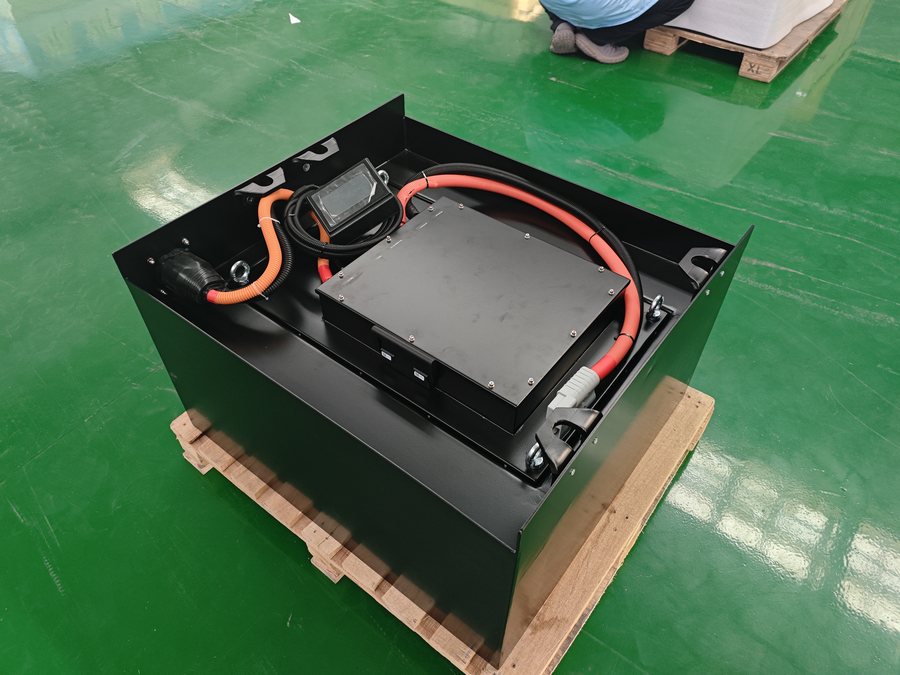
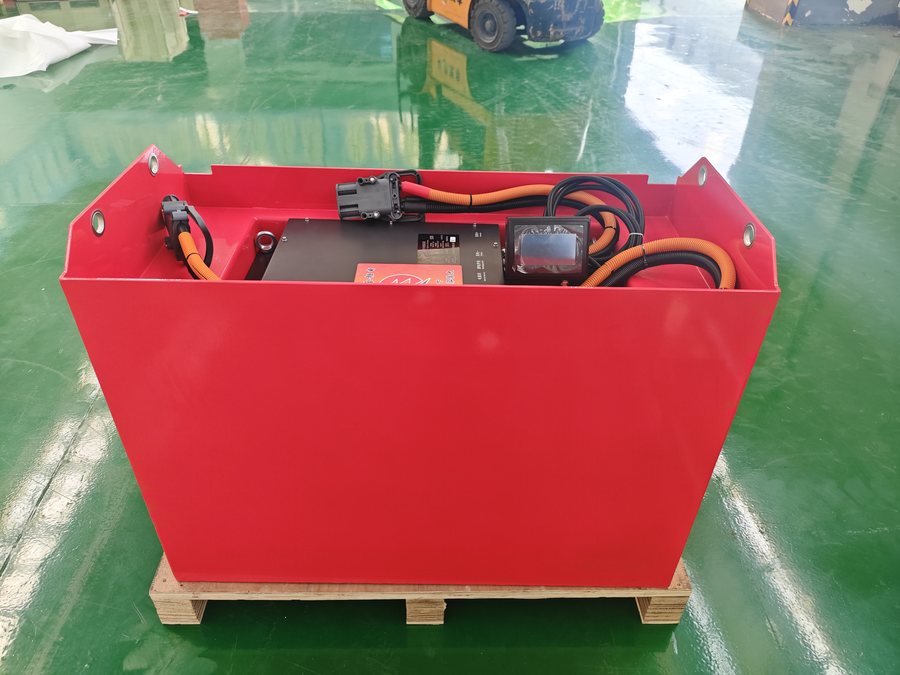
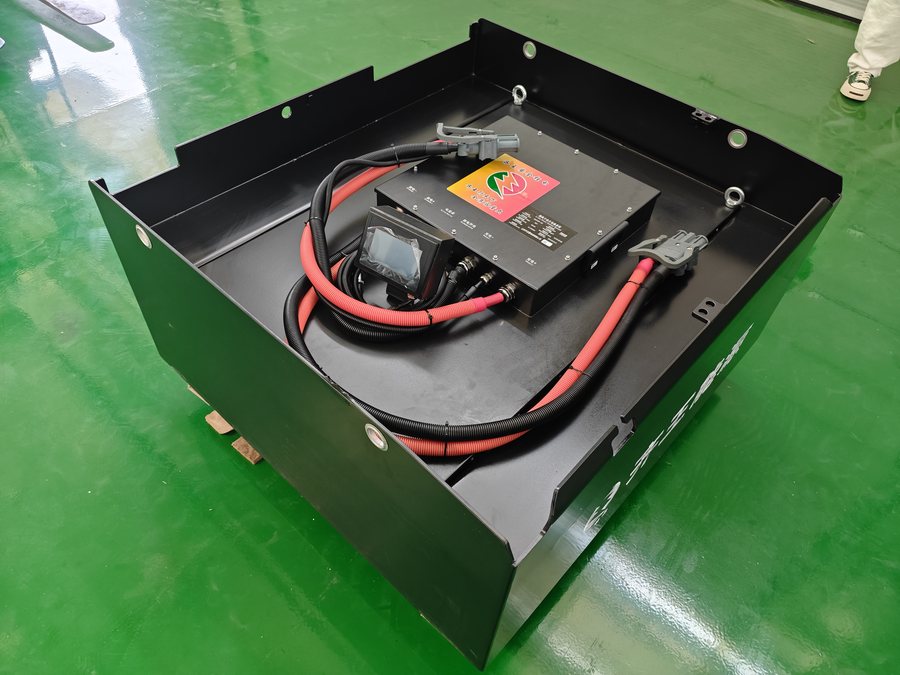
LiFePO4 traction packs photographed in the dispatch area at Linyi, ahead of container loading.
Compliance
Transport, product safety and market-access documentation issued as standard on every shipment. UL 1973 for stationary storage, UL 2580 for traction packs, UL 9540A for system-level thermal propagation.
Certificates are issued per model and per configuration. Report numbers for the configurations currently on file are listed on the Quality page.
Common questions
Typically 3,000 to 5,000 full charge cycles at 0.5 C, which in single- or double-shift service translates to roughly 5 to 8 years of daily use. That compares with 1,000 to 1,500 cycles for a well-maintained lead-acid traction battery.
In most cases yes. Our standard packs are designed as drop-in replacements with minimal wiring modification, and we match the original DIN compartment dimensions where a standard enclosure exists. Send us the truck model and the old battery's DIN designation and we will confirm compatibility before quoting.
Standard-duty configurations charge in 1.5 to 2 hours; heavy-duty and multi-shift configurations using liquid cooling accept a full charge in 0.8 to 1.5 hours. That makes break-shift opportunity charging practical, and removes the need for a second battery per truck.
Truck make, model and rated capacity; current battery voltage and Ah; number of shifts per day; typical lift height and load; indoor, cold-store or outdoor operation; and the destination port. With that we can size the pack and issue a firm quotation. If any of it is unknown, our engineers will work from the duty cycle instead.
Yes — a large share of our stationary storage business is OEM and ODM work for integrators. We handle PACK design, structural validation, thermal simulation and BMS architecture, and deliver either finished rack modules or sub-assemblies against your specification.
FOB and CIF are both standard. Lithium packs ship by sea under IMDG rules with the UN38.3 summary, MSDS and packing instruction prepared by us. Lead time depends on configuration and volume — sample packs move quickly, volume orders are scheduled against the production plan and confirmed in writing at order stage.
Next step
Send your truck model, shift pattern and destination port. You will get a pack specification, a dimensional drawing and a quotation from the engineer who will build it.