
Stationary storage · LFP PACK engineering
Energy storage PACK systems from 3 kWh to 10+ MWh — engineered around your site, not a catalogue box.
Wall-mounted, rack-mounted and containerised LiFePO4 architectures, with structural validation, thermal simulation and BMS architecture developed in-house. We supply integrators, EPCs and OEM equipment builders with finished PACK modules or sub-assemblies built to their specification.
Three architectures
The form factor decides more than the capacity does.
Deployed capacity, site structural constraints and deployment velocity point to one of three architectures. Choosing the wrong one introduces reinforcement costs, thermal throttling or wasted floor space — long before the cells become the problem.
Wall-mounted ESS
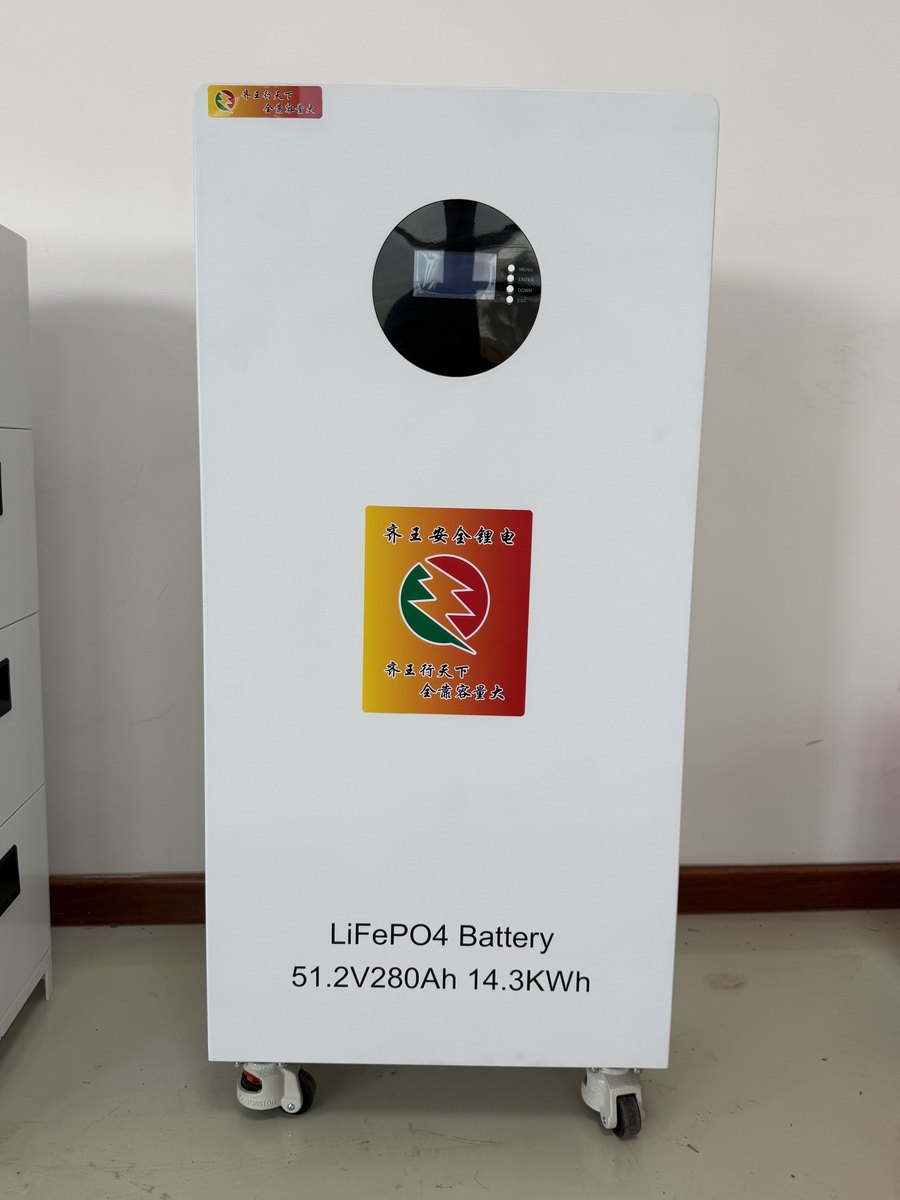
Integrated, pre-assembled units for residential and light commercial sites where floor space is the binding constraint.
Rack-mounted ESS
Modular hot-swappable racks that balance thermal management, scalability and standardised busbar interfaces.
Containerised ESS
Utility-grade systems where structural rigidity, precision thermal control and centralised BMS become critical.

Three architectures
Wall-mounted, rack-mounted and containerised — one cell platform.
All three architectures run on the same qualified prismatic LiFePO4 cell and the same BMS firmware stack, so an integrator can scale a programme from a residential unit to a container system without requalifying the cell.
Architecture 01
Wall-mounted ESS
For residential and light commercial installations under 50 kWh, a wall-mounted unit offers the highest spatial efficiency available. Our structural packs use aluminium alloy brackets with IP65-rated enclosures, integrating compact BMS boards and pre-tested LiFePO4 modules so commissioning is a connection exercise rather than a build.
Architecture 02
Rack-mounted ESS
Medium-scale commercial and industrial projects between 100 and 500 kWh should deploy rack-mounted architecture. This configuration supports modular PACK expansion, standardised busbar interfaces and flexible cooling — air or liquid — while maintaining structural rigidity through transport and seismic events.
Architecture 03
Containerised ESS
Utility-scale and heavy industrial applications above 1 MWh require containerised systems. We design these with distributed rack topology, centralised power conversion integration and BMS algorithms for cross-string SOC equalisation. The ISO frame supports rapid site deployment, while internal structural reinforcement meets global seismic and wind load standards.
Side by side
Full architecture comparison
Every value below is an engineering baseline for the architecture, not a marketing envelope. Where your project sits outside these bands, we engineer a bespoke configuration.
| Parameter | Wall-mounted ESS | Rack-mounted ESS | Containerised ESS |
|---|---|---|---|
| Nominal capacity | 3 – 50 kWh | 50 – 500 kWh | 1 MWh – 10+ MWh |
| Power rating | 3 – 20 kW | 50 – 500 kW | 1 – 5 MW |
| PACK architecture | Integrated, pre-assembled | Modular, hot-swappable | Scalable, distributed racks |
| Cooling method | Natural convection / compact fan | Forced air / liquid cold plates | Precision HVAC / glycol loops |
| BMS topology | Centralised, single-node | Distributed CAN / RS485 mesh | Tiered, cloud-synced controllers |
| Structural load rating | Wall bracket / seismic anchor | Floor-mounted, 800 – 1,200 kg per rack | ISO container frame, wind / seismic compliant |
| Typical deployment | Residential, light commercial | Commercial & industrial | Utility, heavy industrial |
| Site requirements | Verified wall structure | Reinforced floor, vibration dampening | Geotechnical survey, foundation piers, crane access |
Standard modules
Storage modules, supplied as finished assemblies.
Rack and wall modules are delivered with the BMS installed, capacity-graded and insulation tested. The ABS enclosure series covers portable and mobile builds on the same cell platform.
| Model | Format | Nominal voltage | Capacity | Energy | Configuration |
|---|---|---|---|---|---|
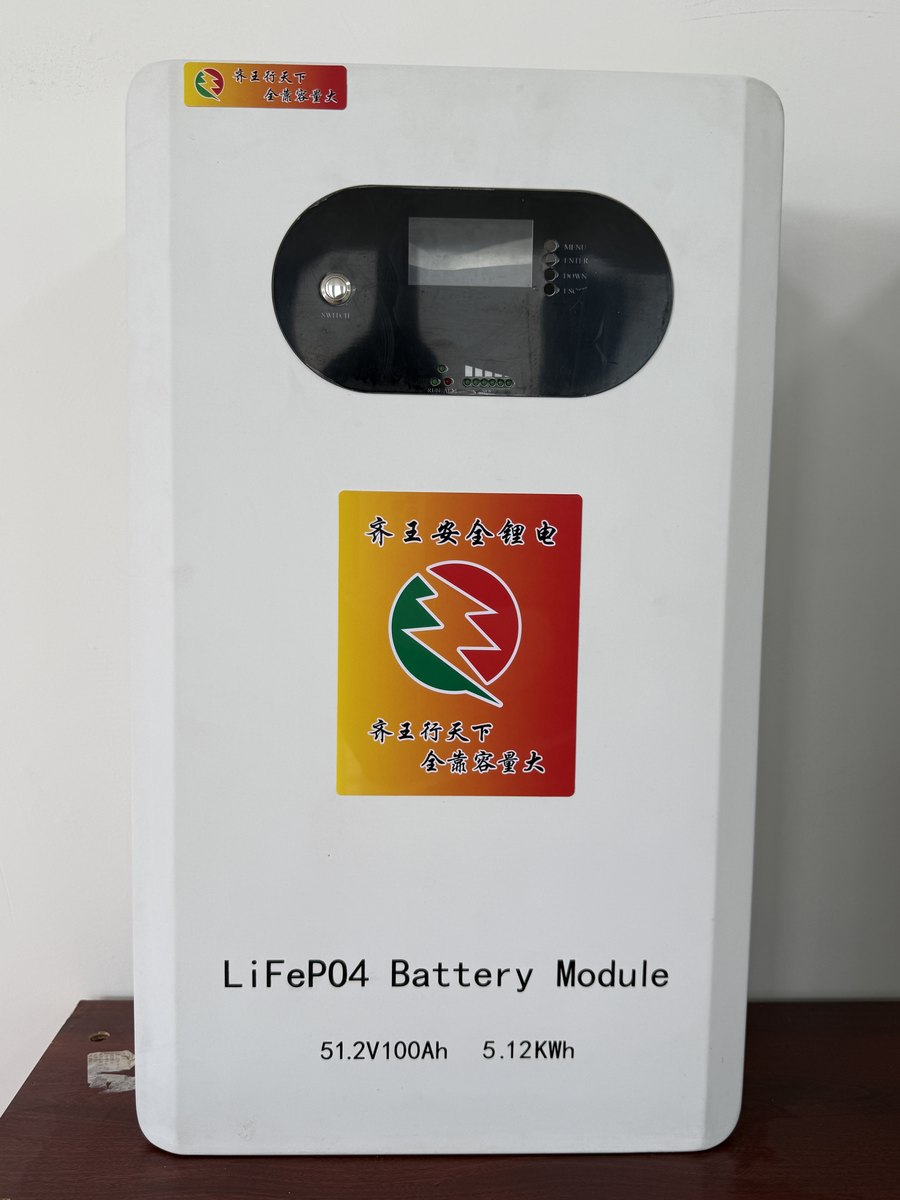
| LX-W51.2V100 | Wall-mounted | 51.2 V | 100 Ah | 5.12 kWh | LiFePO4 · integrated BMS · IP65 |
| LX-R51.2V100 | Rack module | 51.2 V | 100 Ah | 5.12 kWh | LiFePO4 · hot-swappable · CAN / RS485 |
| LX-R51.2V200 | Rack module | 51.2 V | 200 Ah | 10.24 kWh | LiFePO4 · hot-swappable · CAN / RS485 |
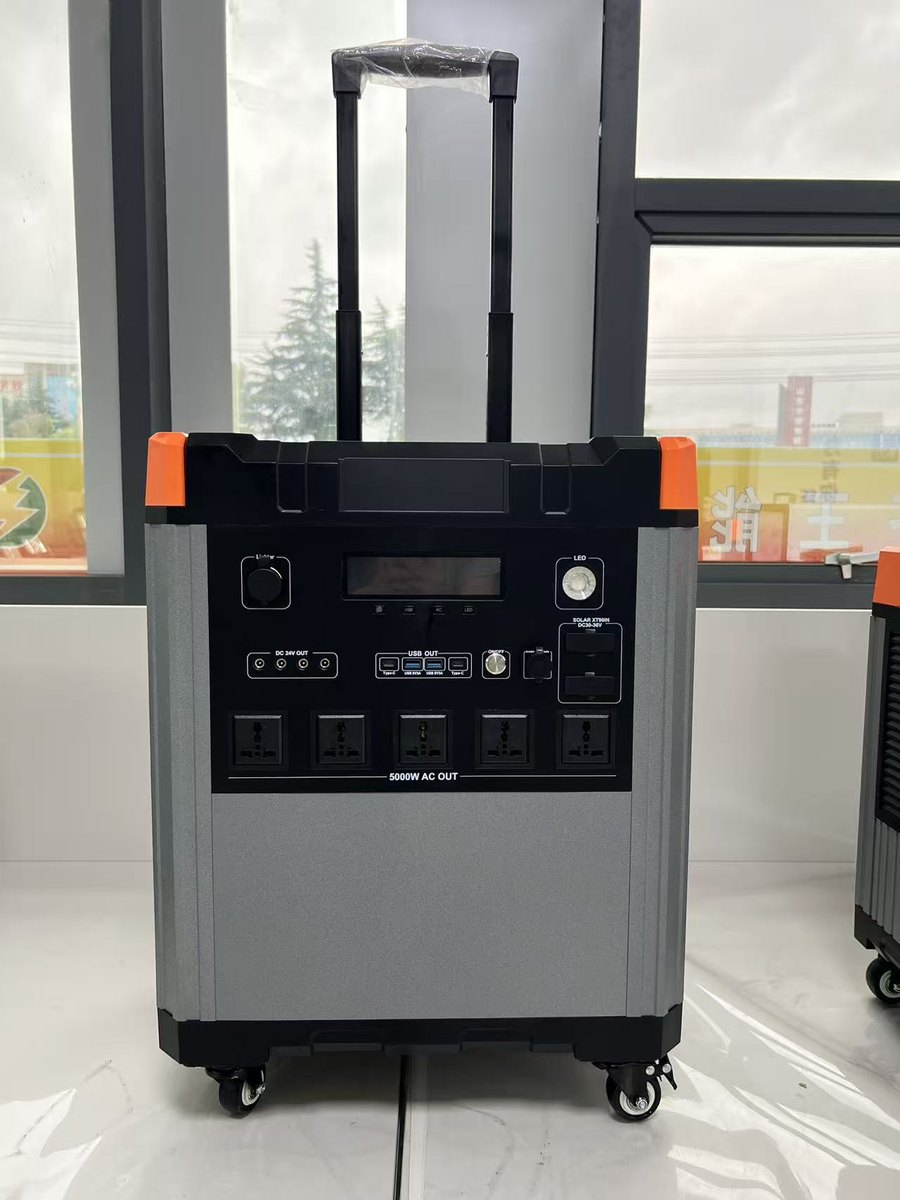
| LX-WJ11-5000W | Commercial & backup | 51.2 V | — | 7.5 kWh | LiFePO4 · 5 kW inverter integrated |
| LX-ABS15-5000W | Portable & mobile | 51.2 V | — | 7.5 kWh | LiFePO4 · 5 kW inverter integrated |
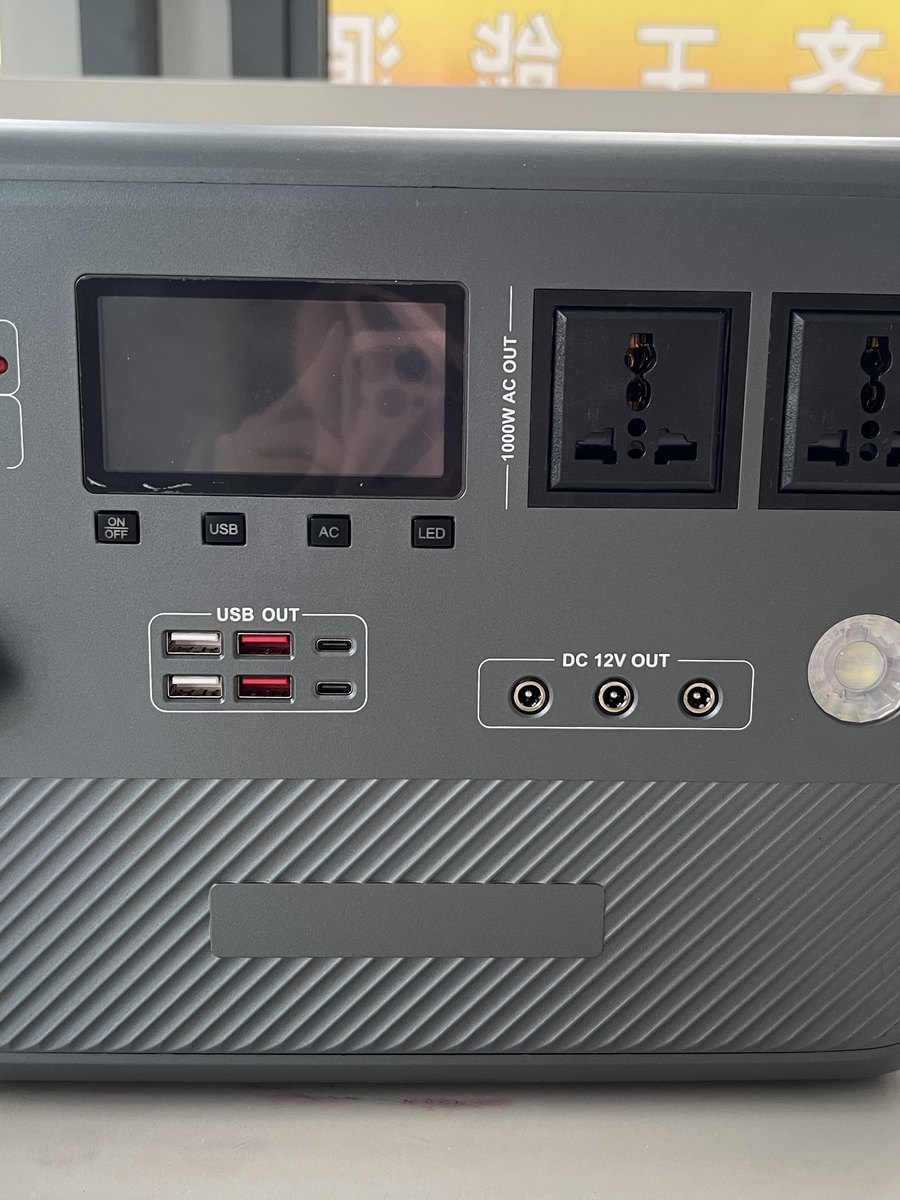
| LX-ABS12 Series | Custom enclosure | 12.8 V | 60 Ah | 768 Wh | LiFePO4 · 1 kW pure sine inverter |
Rack and wall modules
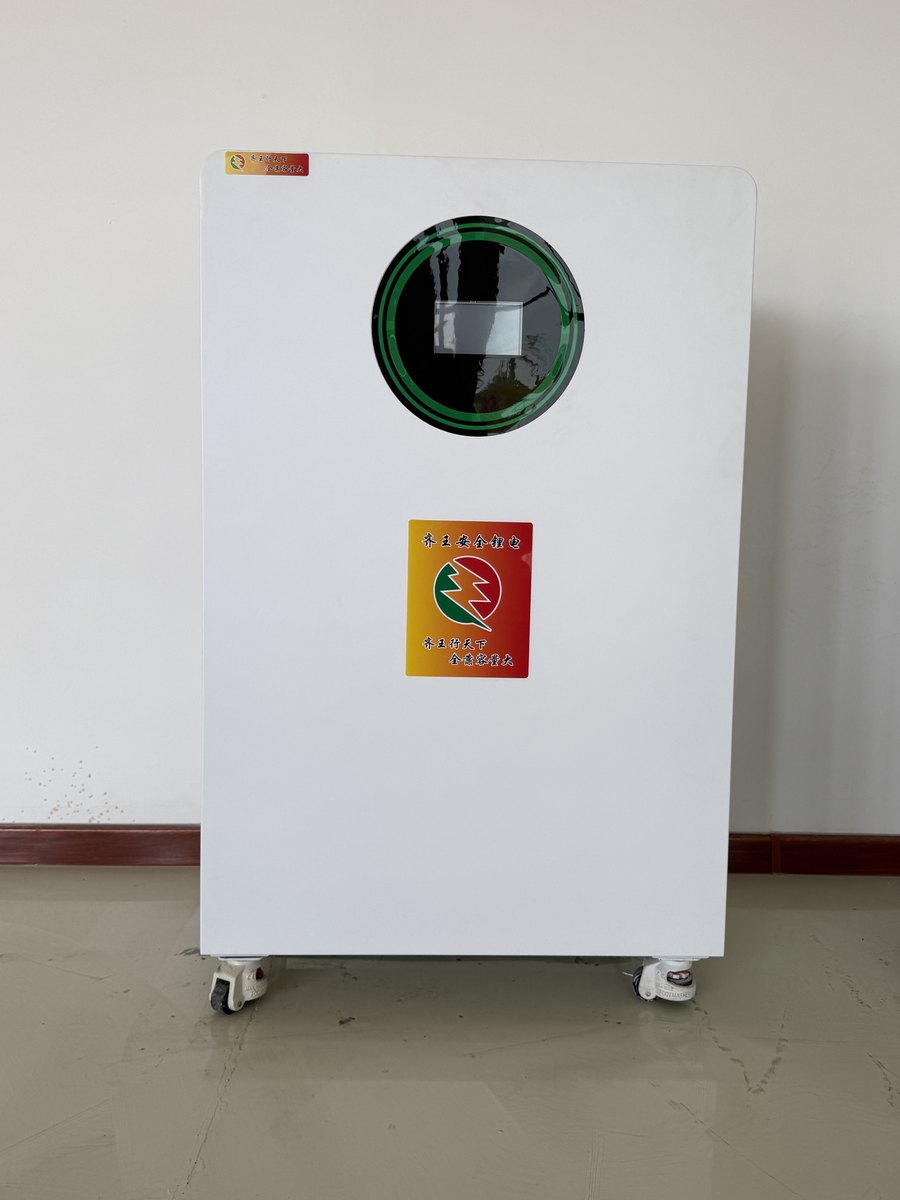
The building block for C&I and residential systems. Supplied capacity-graded and insulation tested, with the register map released under NDA for your own controller integration.
Integrated inverter units
The WJ and ABS 5 kW units pair the PACK with a pure sine inverter in one enclosure, for backup and mobile applications where a separate PCS is impractical.
Portable and off-grid series
The ABS series charges from vehicle, mains AC or solar, and carries a two-year warranty. Built on the same LiFePO4 platform as the traction packs.
What we engineer
Four disciplines that decide whether a storage system lasts.
Cell selection
LiFePO4 chemistry with SOH retention above 80 % after 6,000 cycles. Cell format — prismatic or cylindrical — and busbar configuration are matched to your target C-rate limits, so thermal runaway risk stays low without over-building the pack.
BMS architecture
Distributed rack systems use redundant CAN/RS485 topology to eliminate single-point failure. Containerised systems use tiered control layers with master-slave synchronisation for precise SOC balancing across hundreds of modules, surfaced to a cloud-synced controller.
Thermal engineering
Thermal management efficiency directly impacts cycle life and total cost of ownership. We simulate the cell-to-pack thermal interface before tooling, then select air, cold plate or HVAC/glycol cooling against the actual duty cycle rather than a nominal rating.
Structural validation
Rack frames, container reinforcement and mounting hardware are validated for transport shock, seismic events and wind loading. Modular PACK design also enables phased deployment — you can build out capacity as demand arrives instead of capitalising it all up front.
Storage gallery
Modules, cabinets and portable units.
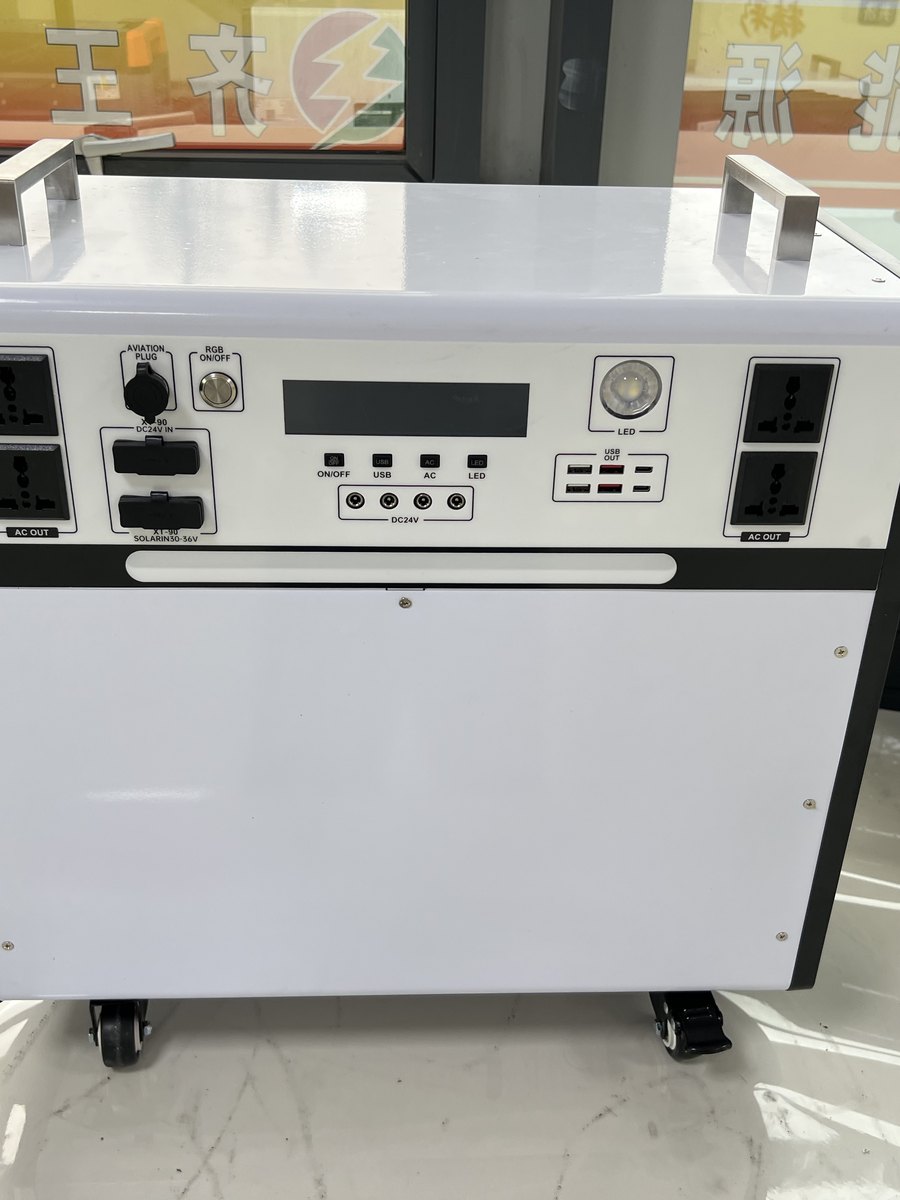
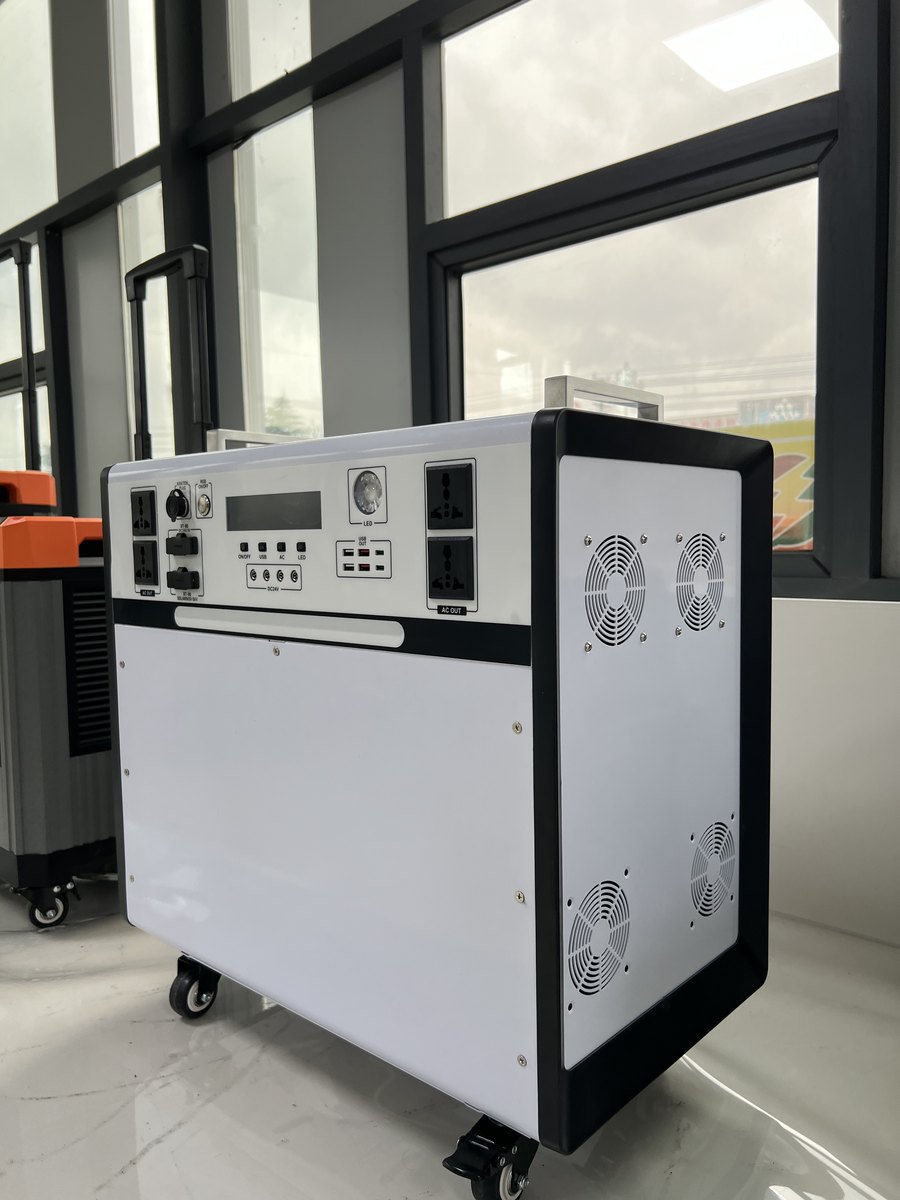
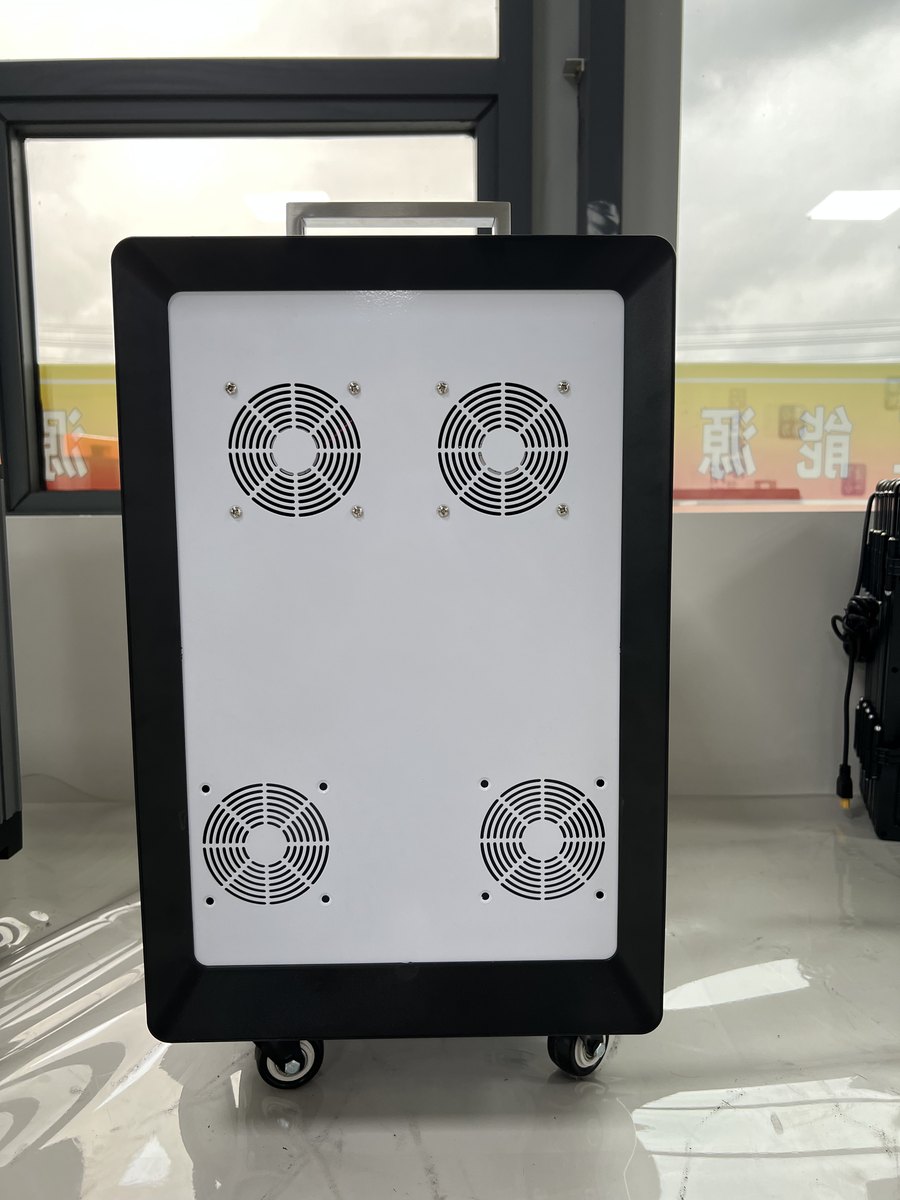
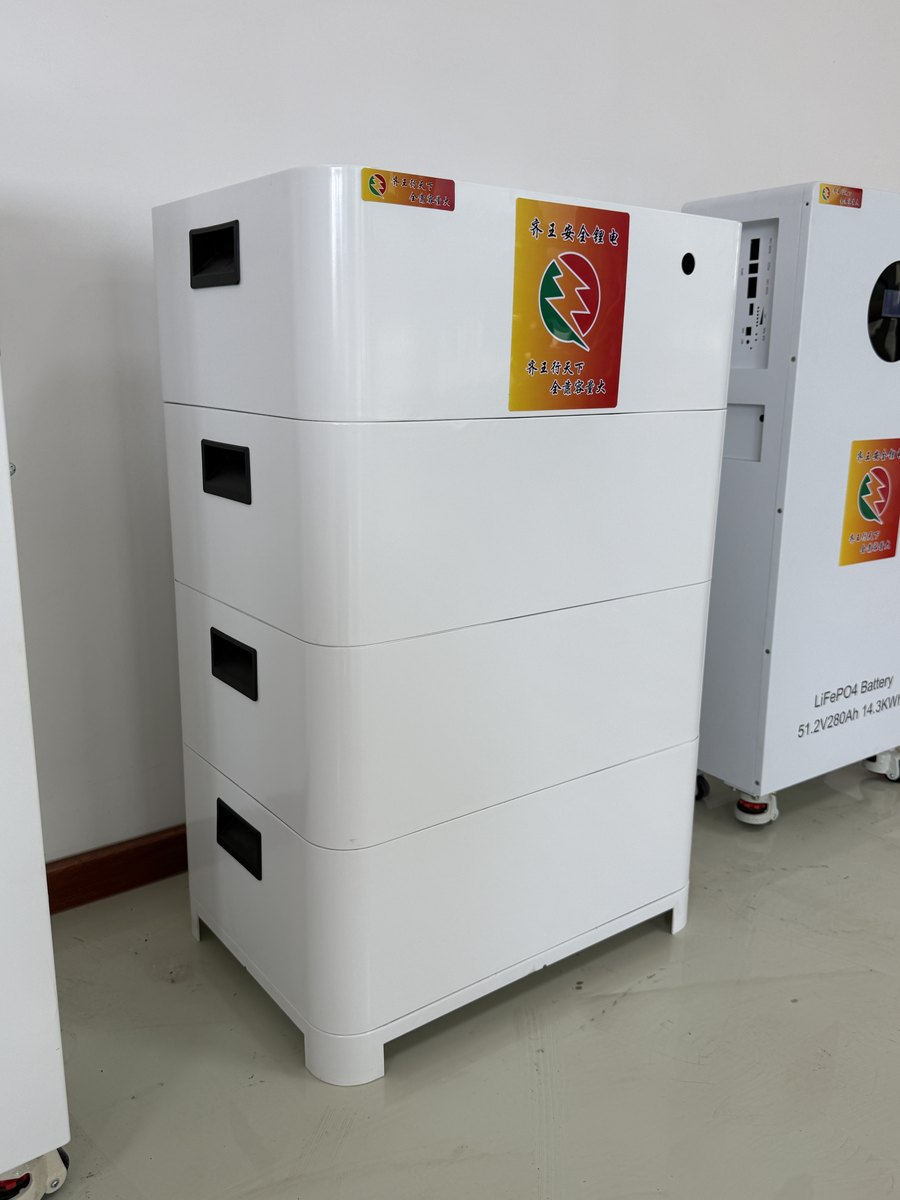
Assemblies photographed in the workshop — rack modules, cabinet units and portable power stations.
For integrators
A PACK engineering partner behind your brand.
A large share of our stationary storage work is OEM and ODM for ESS integrators, EPCs and equipment builders. You keep the customer relationship and the system design; we take on the PACK — cells, BMS, thermal interface, enclosure and structural validation.
- PACK design & BOM — architecture, busbar layout, fusing, connector set and enclosure tooling
- Structural validation — transport shock, seismic and wind load analysis for your frame design
- Thermal simulation — cell-to-pack interface modelling before a single tool is cut
- BMS architecture support — protocol, topology and firmware identity to your specification
- Delivery options — finished rack modules, or sub-assemblies for your own line
- Commercial terms — NDA and design ownership agreed before engineering starts
Our engineering capability, in numbers
Storage questions
What integrators ask us first
Three variables decide it: deployed capacity, site structural constraints and deployment velocity. Under 50 kWh, wall-mounted wins on space. Between 100 and 500 kWh, rack-mounted wins on scalability and serviceability. Above 1 MWh, containerised is the only architecture where structural rigidity, precision thermal control and centralised BMS communication are all practical at once.
We specify LiFePO4 chemistries optimised for SOH retention above 80 % after 6,000 cycles. Real-world life depends heavily on depth of discharge, C-rate and how evenly the pack is thermally managed — which is why we treat thermal design as a first-class part of the PACK, not an accessory.
Yes, and it is usually the right commercial decision. Modular PACK design lets you deploy part of the capacity now and expand later, reducing upfront capital expenditure while keeping the busbar, BMS topology and enclosure envelope ready for the full build-out.
For stationary storage in the United States, UL 1973 governs. For Europe, IEC 62619 is the industrial battery safety standard alongside CE marking. Transport documentation — UN38.3, MSDS and IMDG packing — applies regardless of destination. We will tell you which document set your specific configuration carries today and which need to be run.
We engineer and build the PACK and the structural enclosure, and we integrate with the power conversion system you specify. If you have a preferred PCS vendor we design to their DC input window and communication protocol; if not, we will recommend one and take responsibility for the interface.
Next step
Send the project brief. We will send the architecture.
Capacity target, site constraints, duty cycle and destination market — with those we can recommend an architecture, outline the PACK design and quote.