
By application
The right pack depends on the application, not the product catalogue.
Below are the operating profiles we build for most often, and what each one demands from the pack. Applications outside these bands are engineered as bespoke configurations.
Material handling
Fleet applications
Warehousing & 3PL
Multi-shift reach and counterbalance fleets where the constraint is not range but charging time. Opportunity charging at break replaces the battery room, and one pack per truck replaces two.
Food & cold chain
Freezer and chilled environments where LFP cannot be charged below 0 °C without assistance. Cold-store configurations add an integrated heating element, so the pack is chargeable the moment the truck comes in.
Ports & logistics hubs
Outdoor, dust-exposed and high-cycle duty. Heavy-duty configurations run liquid cold plates, IP67 sealing and 96 V architectures that sustain continuous lifting without voltage collapse.
Manufacturing plants
Tugger trains, tow tractors and lift trucks running three shifts. The win here is removing watering and equalising downtime from the maintenance schedule entirely.
Stationary storage
Energy storage applications
Residential storage
Wall-mounted units for integrators serving retrofit and new-build markets. Pre-assembled, IP65, commissioned on site in a single visit.
Commercial & industrial
Peak shaving, demand charge control and backup for factories, cold stores and logistics sites. Modular racks sized for phased build-out.
Utility & grid
Containerised systems with tiered BMS control and HVAC thermal management for large-scale deployment and grid services.
Conversion projects
Converting a fleet from lead-acid to lithium.
A lithium conversion pays back fastest when charging time, maintenance labour or battery count is the binding constraint. The audit below establishes which of those applies to your fleet, and what the conversion returns.
- Step 1 — Audit the duty cycle. Truck models, shifts, lift heights, loads, ambient conditions and current charging routine.
- Step 2 — Size to usable energy. Daily kWh consumption plus a 10–15 % buffer for ageing and temperature derating.
- Step 3 — Check the infrastructure. Charger capacity, electrical supply and whether opportunity charging is physically possible.
- Step 4 — Phase the conversion. Convert the hardest-worked trucks first and measure the result before committing the whole fleet.
- Step 5 — Handle ballast and balance. Match installed weight so the truck's rated capacity and stability are unaffected.
What a fleet assessment returns

Built for fleets that run long shifts
Multi-shift operations, cold stores and outdoor yards.
Pack sizing follows the duty cycle: shift pattern, lift height, ambient temperature and the charging window you actually have. The result is a pack that finishes a shift with margin left.
Deployment gallery
Where the packs go to work.
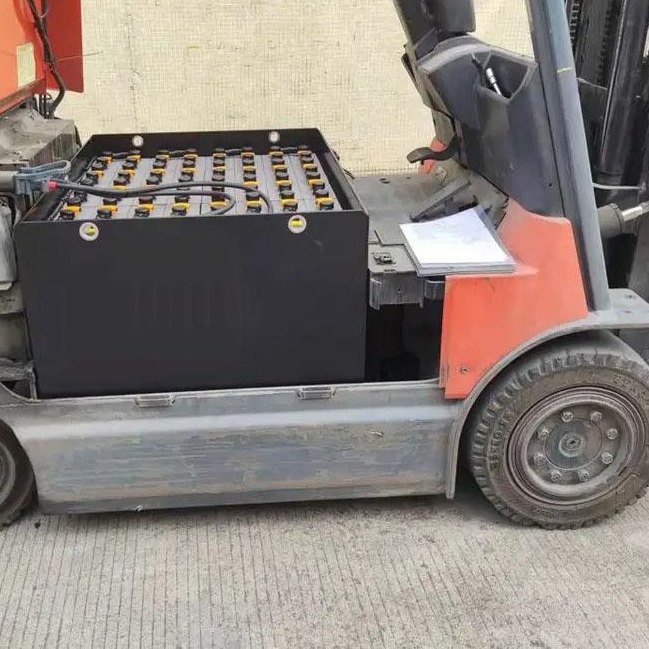
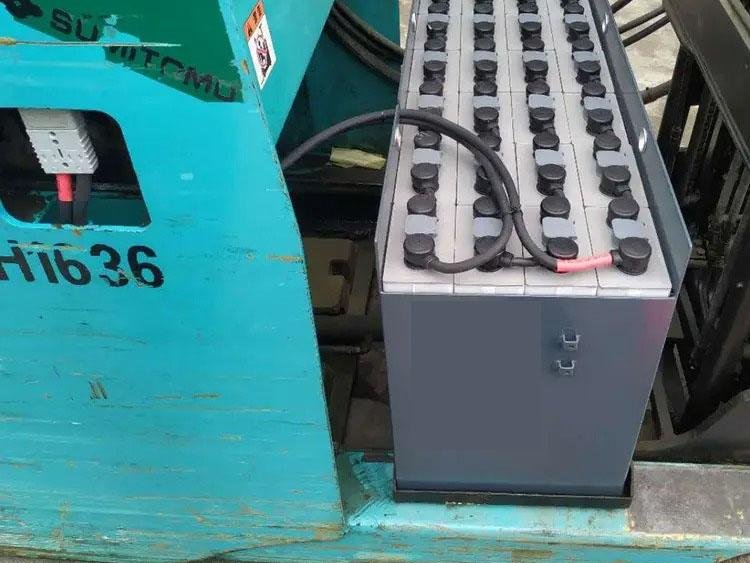
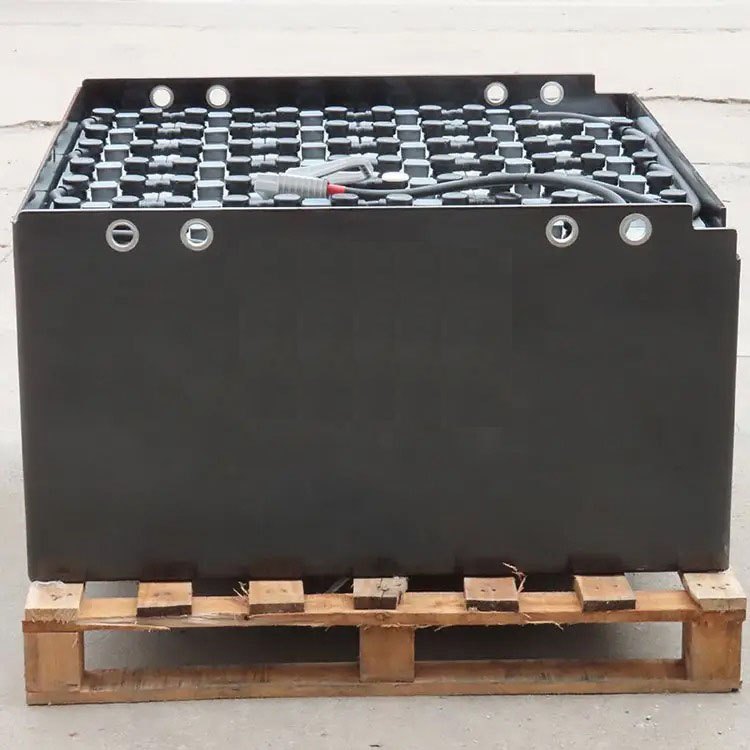
Traction packs in service and storage assemblies in build.


Next step
Tell us the application. We will size it.
Whether it is a single truck, a fleet conversion or a multi-megawatt storage project, the first answer is a specification — not a price list.