
Compliance & testing
Certified for the markets you sell into — with the test reports to prove it.
Transport, product safety and market-access documentation issued as standard on every shipment, with the test report numbers listed for the configurations currently on file. UN38.3 (T1–T8) from a CNAS/ILAC-accredited laboratory, IEC 62619, CE (EMC + LVD), RoHS, ISO 9001 and ISO 14001.
Documentation set
What ships with the pack.
Certificates are issued per model and per configuration. The report numbers currently on file are listed below.
Testing
Every platform is qualified before it ships.
Our on-site battery testing centre covers the tests that actually predict field behaviour — not just the ones a certificate requires.
- Capacity verification — full charge/discharge to confirm rated Ah and kWh on every production batch
- C-rate endurance — continuous and peak discharge at rated current, with voltage sag measured under load
- Thermal profiling — cell-to-cell temperature delta under sustained load, held under 3 °C
- BMS validation — SOC and SOH estimation accuracy, over-current and thermal protection thresholds, communication integrity
- Mechanical testing — vibration and shock profiling against industrial material handling conditions
- Sealing verification — IP65 and IP67 enclosure integrity for outdoor and washdown applications

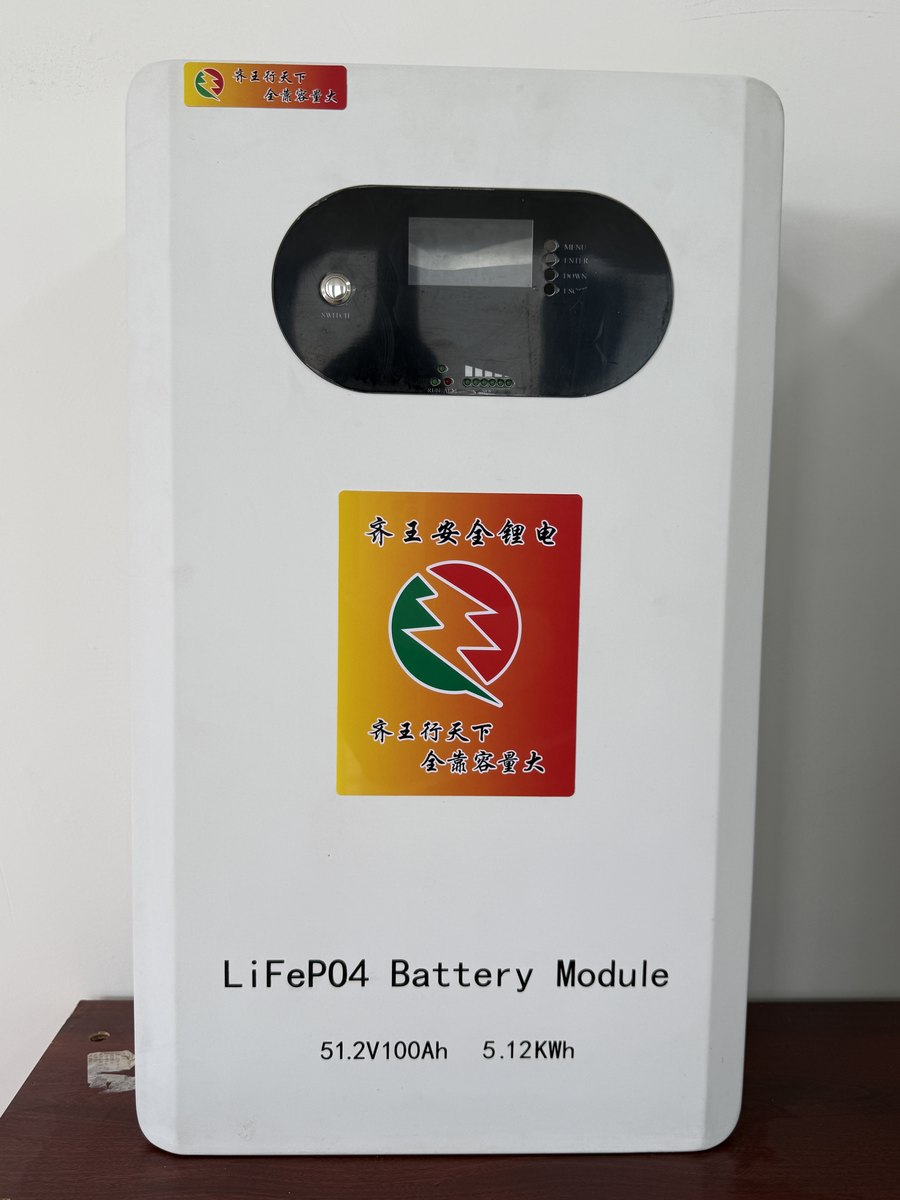
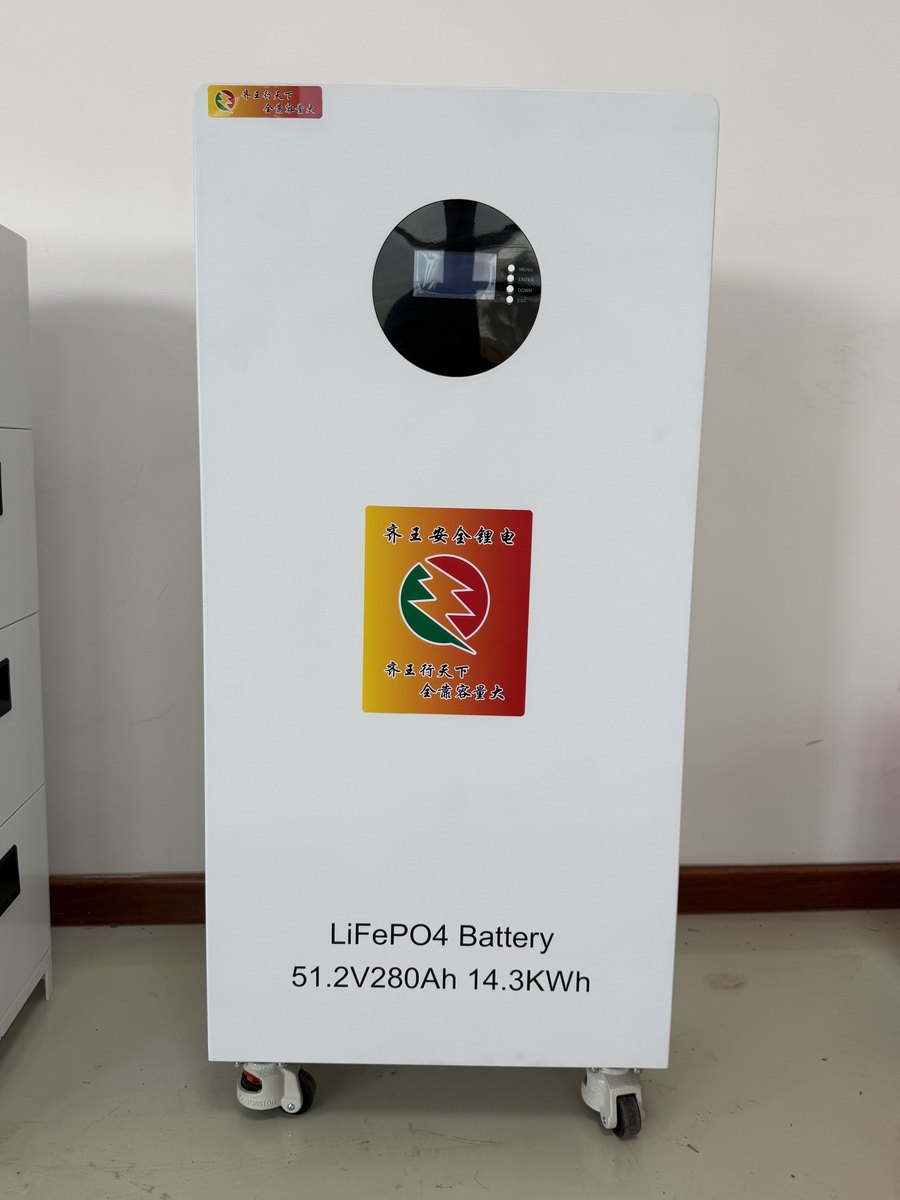
US market entry
The UL pathway, without the guesswork.
Exporting lithium battery PACK systems to the United States requires Underwriters Laboratories safety certification. Without a valid listing, products face customs rejection and retailer exclusion. The standard that applies depends on the end use.
UL 1973
Stationary energy storage systems — the standard that governs our ESS PACK architectures for the US market.
UL 2580
Electric vehicle traction batteries — the relevant standard for traction PACK assemblies.
UL 62133
Portable and consumer-grade PACK assemblies.
Certification timeline and phases
The pathway typically spans 10 to 16 weeks depending on design complexity and laboratory queue availability. Four phases run in sequence — and the first one is where most of the schedule risk sits.
Pre-assessment
Technical files submitted for scope determination. This establishes the testing matrix and identifies compliance gaps before physical prototypes reach the laboratory.
Laboratory validation
Electrical stress testing, mechanical shock and vibration profiling, and thermal abuse simulation. Cell chemistry must align with the selected standard — electrolyte composition and cathode stability directly influence outcomes.
QIP resolution
Open questions in progress are resolved — typically BMS algorithm verification or enclosure flame-retardancy adjustments. Parallel documentation preparation is what keeps this phase short.
Listing & surveillance
UL issues the listing mark and schedules quarterly factory surveillance audits. Production SOPs must align with UL quality inspection requirements for consistent output.
Certification questions
The things buyers should ask every supplier
Certification attaches to a specific model and configuration, so the applicable report depends on which pack you are ordering. Tell us the model and destination market and we will send the matching UN38.3, MSDS and transport reports with the report number for your broker to verify.
UN38.3 test summary, MSDS and an IMDG-compliant packing instruction, plus a DGD declaration where the forwarder requires it. All three are issued before the container is loaded.
UL 1973 covers stationary storage, UL 2580 covers traction packs and UL 9540A covers system-level thermal propagation. Each is run per model and configuration. Tell us the model and destination market and we will confirm the programme status and the schedule for your build.
Yes. We supply cell datasheets, BMS schematics, material MSDS and assembly drawings for your own certification submissions, and we can engage directly with your accredited test house to resolve technical questions during testing.
On the line
The equipment behind the test reports.
Assembly, ageing and validation equipment photographed in the Linyi workshops.


Reports on file
Export configurations with current test reports.
Each configuration below carries a UN38.3 test report, an MSDS and sea-freight and land-freight transport reports issued in the company's own name. Report numbers are quoted so your freight forwarder and customs broker can verify them directly.
| Configuration | Voltage | Capacity | Energy | Test report | Documents issued |
|---|---|---|---|---|---|
| QWLF-25.6-206 | 25.6 V | 206 Ah | 5.27 kWh | CMC251127184 | UN38.3 · MSDS · Sea · Land · Summary |
| 48V250Ah 16S | 51.2 V | 250 Ah | 12.80 kWh | CMC251127185 | UN38.3 · MSDS · Sea · Land · Summary |
| GFLF-51.2-412-74 | 51.2 V | 412 Ah | 21.09 kWh | CMC251127186 | UN38.3 · MSDS · Sea · Land · Summary |
| GFLF-80-412-7 | 80 V | 412 Ah | 32.96 kWh | CMC251127187 | UN38.3 · MSDS · Sea · Land · Summary |
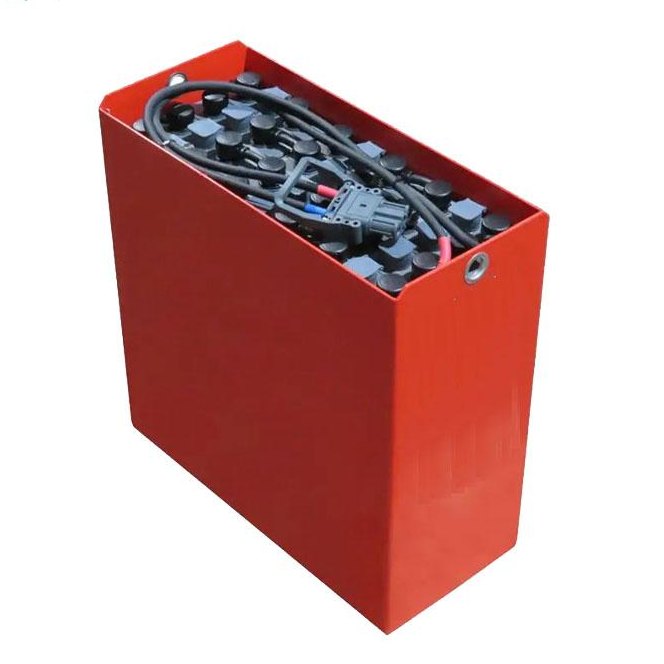
Lead-acid traction configurations
DIN traction blocks are certified under a different standard set from lithium and travel as Class 8, UN 2794.
Testing on every pack
Independent of the certification programme, every pack completes the same production gate before packing.
Next step
Ask for the document set for your exact model.
Tell us the model and the destination market. We will send the certifications in place today, flag anything that still needs to be run, and quote the pack.