Lead-acid to lithium conversion: from selection and customization to delivery
“Lithium batteries cost 2-3x more than lead-acid — how long until I break even?” This is the most common que……
Lead-acid to lithium conversion: from selection and customization to delivery
“Lithium batteries cost 2-3x more than lead-acid — how long until I break even?” This is the most common question we hear from customers. But comparing purchase prices alone is misleading. The right way is to calculate TCO (Total Cost of Ownership) — factoring in lifespan, efficiency, maintenance, and downtime. The answer often surprises people.
Bottom line: For typical forklift operations, the payback period for switching from lead-acid to lithium is 2.5-3.5 years. For commercial & industrial energy storage, expect 4-6 years. Over the battery’s lifetime, lithium costs only 50%-60% of lead-acid.
1. The Sticker Price: Purchase Cost Comparison
Item
Lead-Acid
LiFePO4 (LFP)
Typical config (forklift 48V)
48V 560Ah (26.9kWh)
51.2V 500Ah (25.6kWh)
Purchase price (reference)
~USD 4,500
~USD 10,500
Cycle life
800-1,000 cycles
3,000-5,000 cycles
Energy efficiency
~72%
~95%
Maintenance
Weekly watering, monthly equalizing
Maintenance-free
2. The Hidden Costs: 5 TCO Factors Where Lead-Acid Loses
Lifespan cost: Lead-acid lasts 800-1,000 cycles (2-3 years); LFP lasts 3,000-5,000 (8-10 years). Over an 8-year window, you buy 3 lead-acid packs vs 1 lithium pack.
Efficiency loss: Lead-acid charge/discharge efficiency is ~72%, lithium ~95%. About 23% of every kWh becomes waste heat.
Maintenance labor: Lead-acid needs weekly watering and monthly equalizing — roughly 50 labor hours per year. Lithium is maintenance-free.
Downtime: Lead-acid takes 8-10 hours to charge; multi-shift operations need a spare battery. Lithium fast-charges in 1-3 hours with opportunity charging.
Residual value: Retired LFP packs have second-life value; lead-acid is scrap.
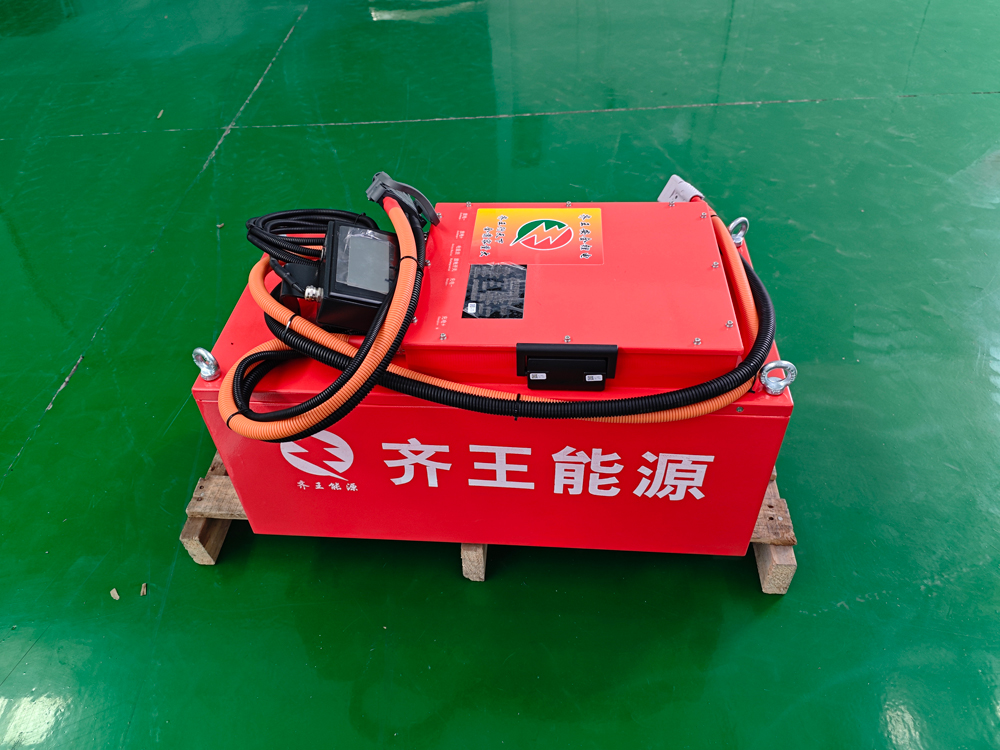
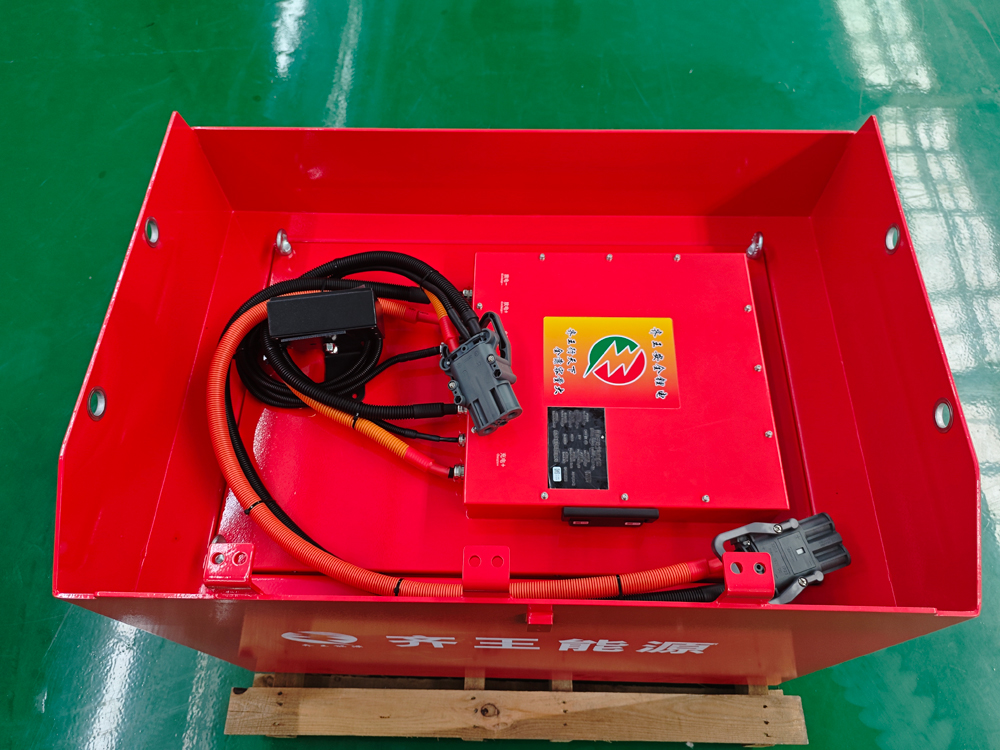
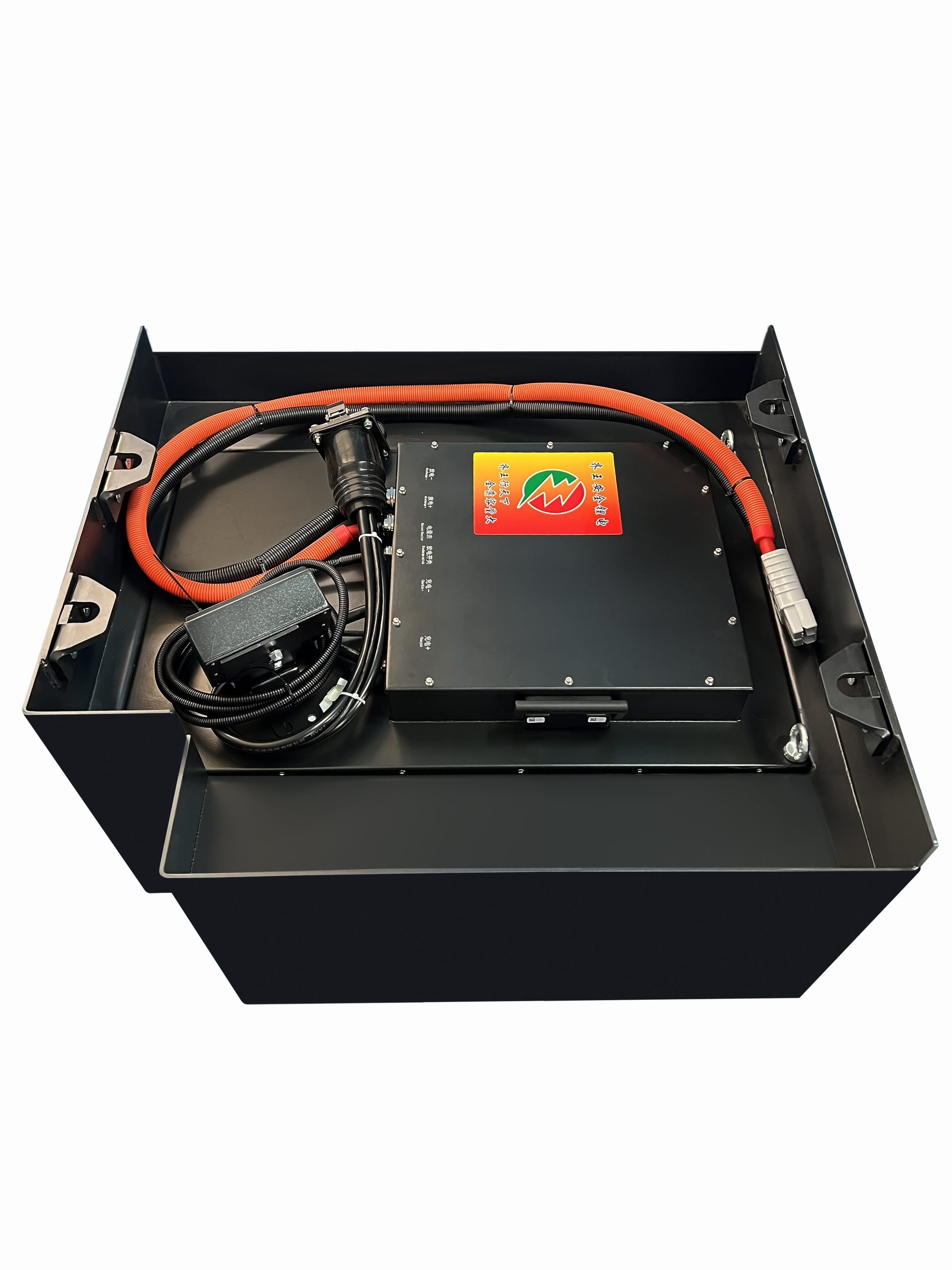
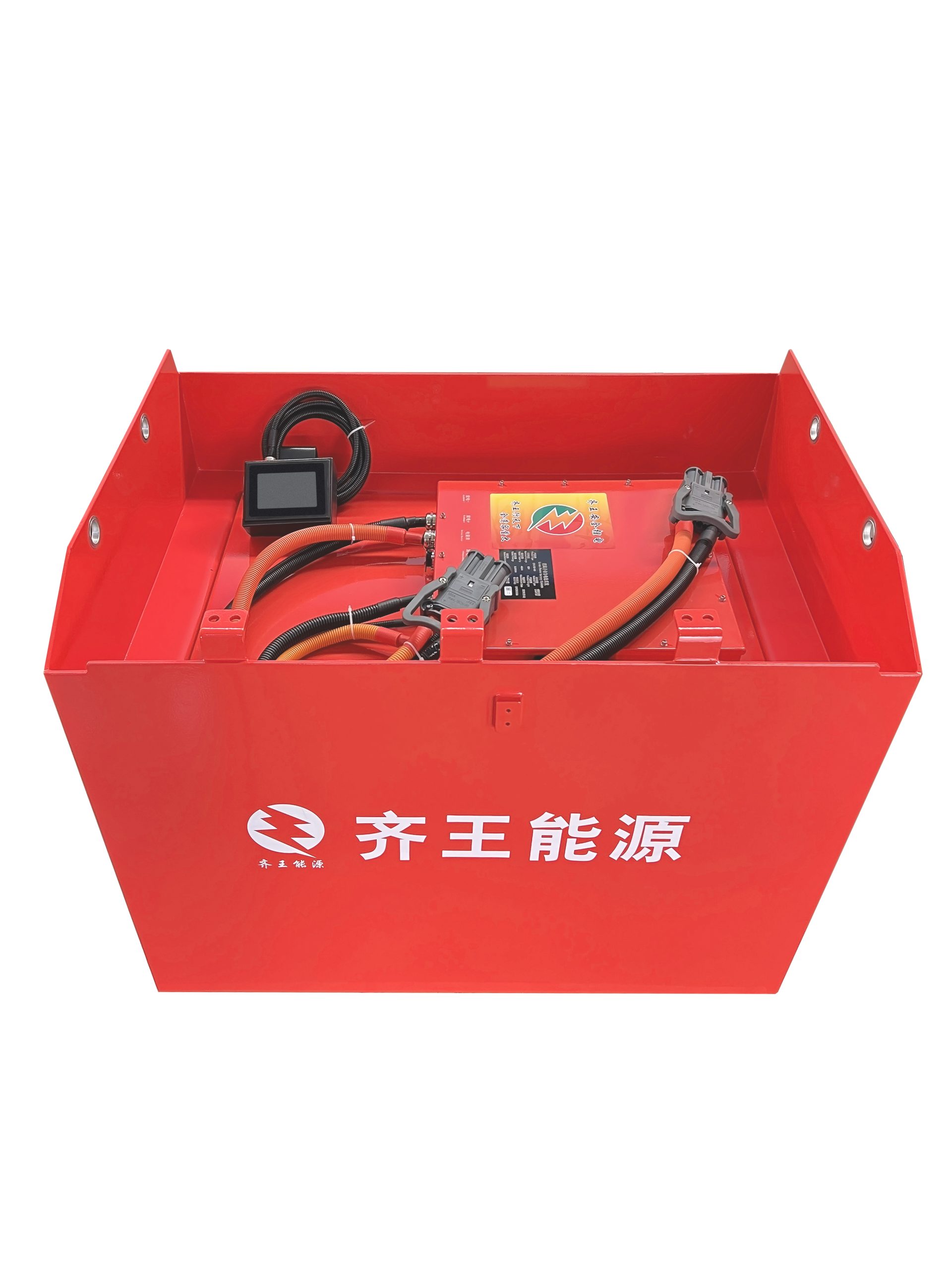
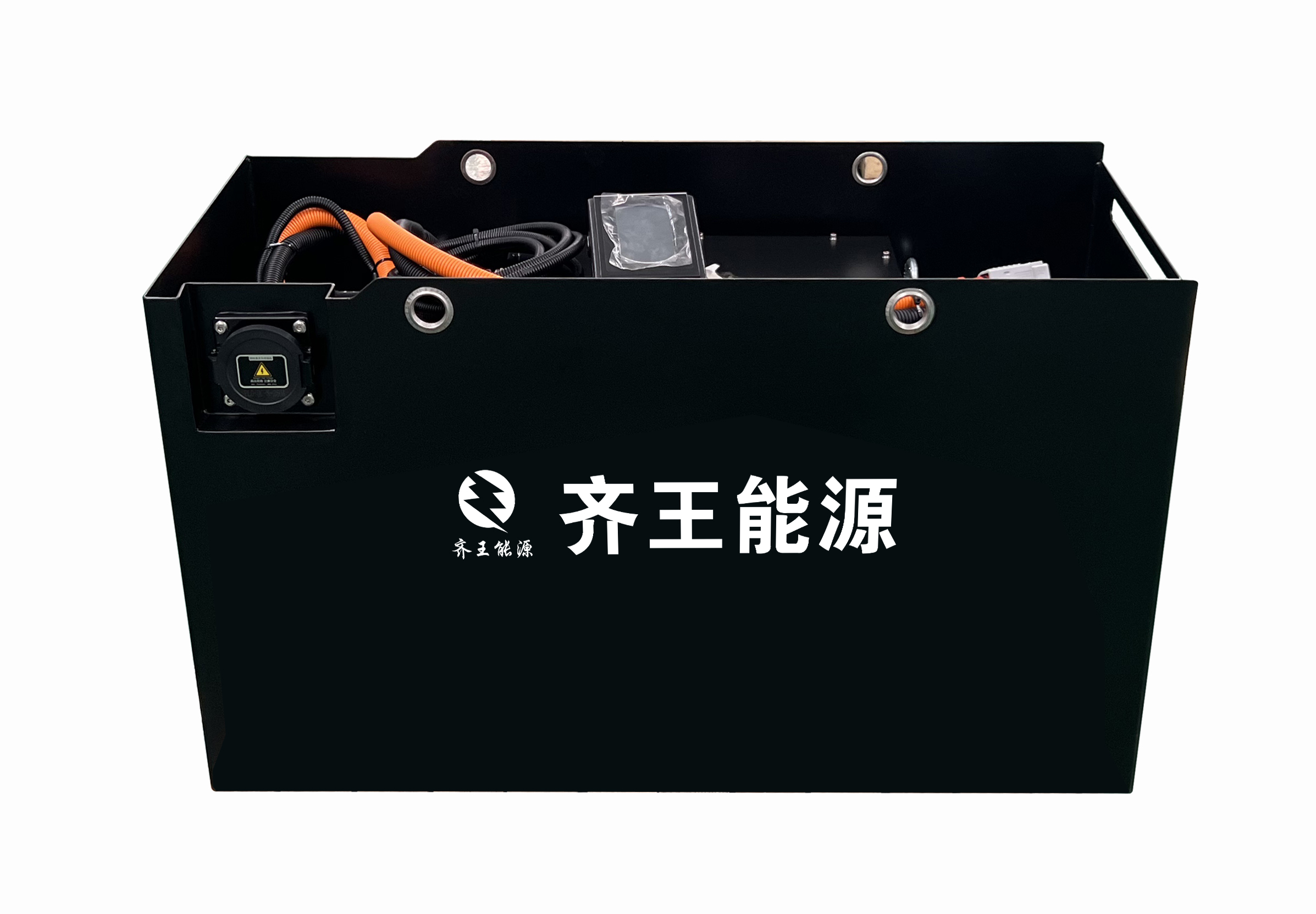
Qiwang Energy 51.2V 280Ah lithium battery pack (actual photo)
3. Forklift Scenario: 8-Year Cost Comparison
Case: one 3-ton electric forklift, 1.5 cycles per day, 300 working days per year:
Cost Item (8 years)
Lead-Acid
LFP Lithium
Battery purchase (incl. replacements)
USD 4,500 x 3 = 13,500
USD 10,500 x 1 = 10,500
Maintenance labor (~50h/yr)
~USD 4,500
0
Electricity loss (23% efficiency gap)
~USD 2,200
~USD 300
Downtime / spare battery
~USD 2,100
0
8-year total
~USD 22,300
~USD 10,800
Result: You save ~USD 11,500 over 8 years. With an initial premium of ~USD 6,000 and annual savings of ~USD 2,100, the payback period is about 2.9 years — and the lithium battery keeps working for 8-10 years, delivering pure savings after payback.
4. Energy Storage Scenario: Peak-Shaving / Arbitrage Model
Revenue side: One charge/discharge cycle per day with a peak-valley price spread of ~USD 0.10/kWh (common in many provinces), a 100kWh system earns ~USD 10/day, ~USD 3,500/year.
Cost side: LFP system ~USD 14,000-17,000. Lead-acid is 40% cheaper upfront, but its cycle life is 1/4 of LFP and it cannot handle daily deep cycling.
Payback: LFP ~4-5 years. Lead-acid can never break even within its ~2-year life.
Note: Storage payback depends heavily on your local peak-valley spread. Below USD 0.07/kWh, be cautious; above USD 0.13/kWh (e.g., Zhejiang, Guangdong), returns are attractive.
5. When Is the Switch Most Worthwhile?
Multi-shift operations: Fast charging + opportunity charging turns saved downtime into profit.
Your lead-acid pack is 1.5+ years old: Instead of buying another lead-acid pack, upgrade to lithium once.
Heavy loads or extreme temperatures: LFP maintains a stable voltage platform under load.
Conclusion: Count the TCO, Lithium Is Not Expensive
Switching from lead-acid to lithium is not an expense — it is an investment. When you factor in lifespan, efficiency, maintenance, and downtime, lithium pays for itself within 2.5-3.5 years, then keeps saving you money every single year.
Need a TCO calculation for your specific operation? Contact Qiwang Energy — our in-house pack structure engineers can provide a customized payback analysis based on your forklift model, shift schedule, and local electricity tariffs.