Exporting to the EU and US: regulatory compliance is the first gate to market entry
In 2026, the compliance landscape for battery exports is undergoing its biggest shift in a decade: the EU Battery ……
Exporting to the EU and US: regulatory compliance is the first gate to market entry
In 2026, the compliance landscape for battery exports is undergoing its biggest shift in a decade: the EU Battery Regulation (EU) 2023/1542 is entering its enforcement phase, US tariffs on Chinese lithium batteries continue to escalate, and carbon footprint declarations, battery passports, and updated UL standards are all taking effect. For ESS and forklift battery exporters, compliance is no longer a cost item — it is your ticket to the market.
In one sentence: For the EU, watch Regulation (EU) 2023/1542 + CE directives + UN38.3; for the US, watch UL standards + FCC + DOT transport rules. In 2026, pay special attention to carbon footprint declarations, battery passports, and the new Section 301 tariff rates.
Part 1 — European Union: The New Battery Regulation Enters Enforcement
1. Regulation (EU) 2023/1542 — The Core Framework
Effective August 17, 2023, it replaced the old Battery Directive 2006/66/EC and covers the full life cycle. Key timeline:
Date
Requirement
Applies to
Feb 18, 2024
Restricted substances, labeling, CE marking and other core provisions
All batteries
Feb 18, 2025
Carbon footprint declaration for EV batteries (phased via delegated acts)
Recycling efficiency and material recovery targets ramp up in phases
All batteries
2026 action: Forklift/industrial batteries (2kWh+) exported to the EU must prepare carbon footprint data before February 2026, and start building the data systems required for the battery passport (BMS data, supply chain traceability, recycling information).
2. CE Marking — Directive Portfolio
EMC 2014/30/EU: mandatory for all electrical products entering the EU
LVD 2014/35/EU: applies to 50-1000V AC / 75-1500V DC products; 48V/80V forklift packs are typically assessed as components with the vehicle
Machinery Directive 2006/42/EC: required for forklift exports; the battery as a safety component needs supporting documentation
RoHS 2011/65/EU & REACH (EC) 1907/2006: hazardous substance restrictions and chemical registration (lead, cadmium, mercury)
3. Transport Compliance: UN38.3 Is the Baseline
Whether by sea (IMDG), air (IATA DGR), or European road (ADR), lithium batteries must pass the full UN38.3 test series (T1-T8) and obtain the corresponding transport report. Exporters must verify:
UN38.3 test reports issued by CNAS/ILAC-accredited laboratories
Packaging meets IMDG/ADR packing group II requirements with lithium battery handling marks
Dangerous Goods Declaration (DGD) and SDS/MSDS are complete
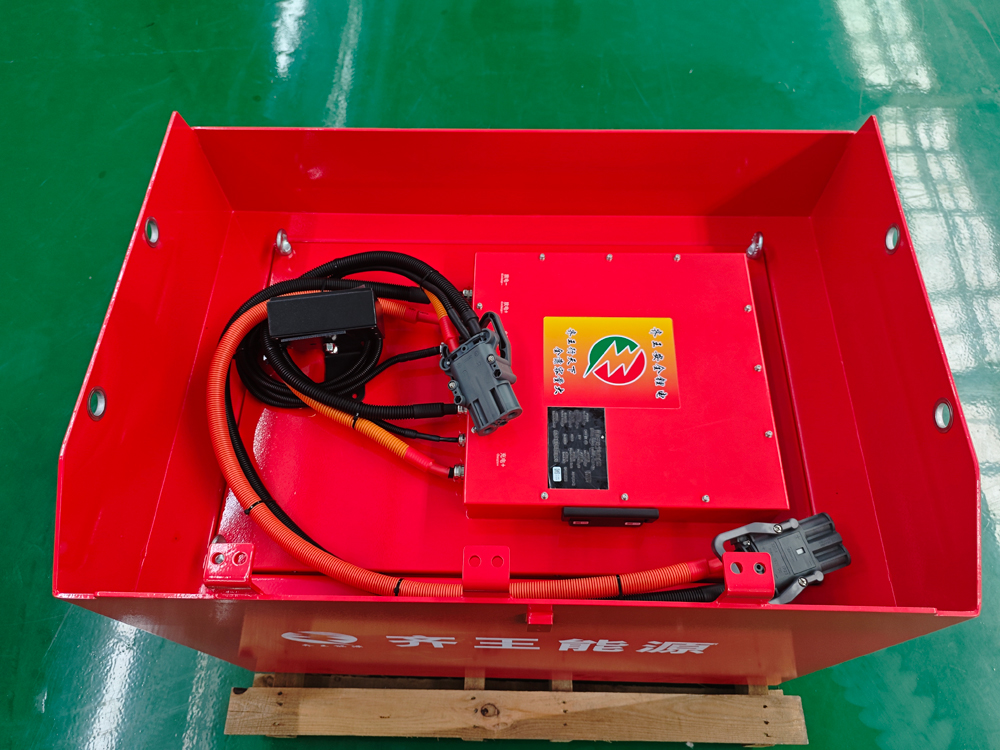
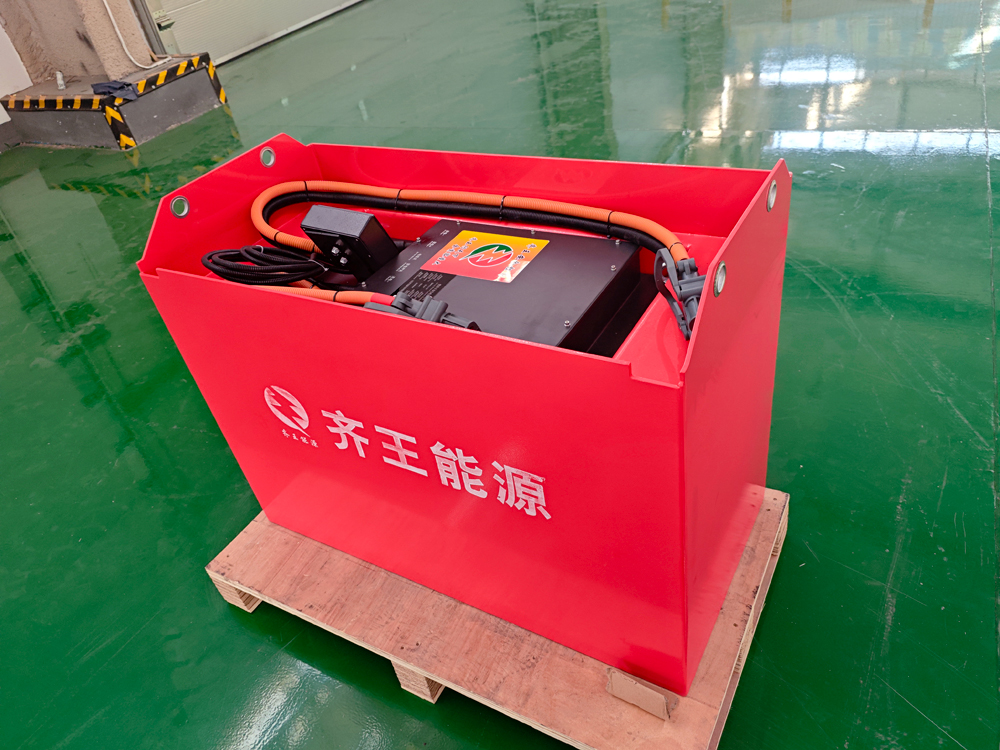
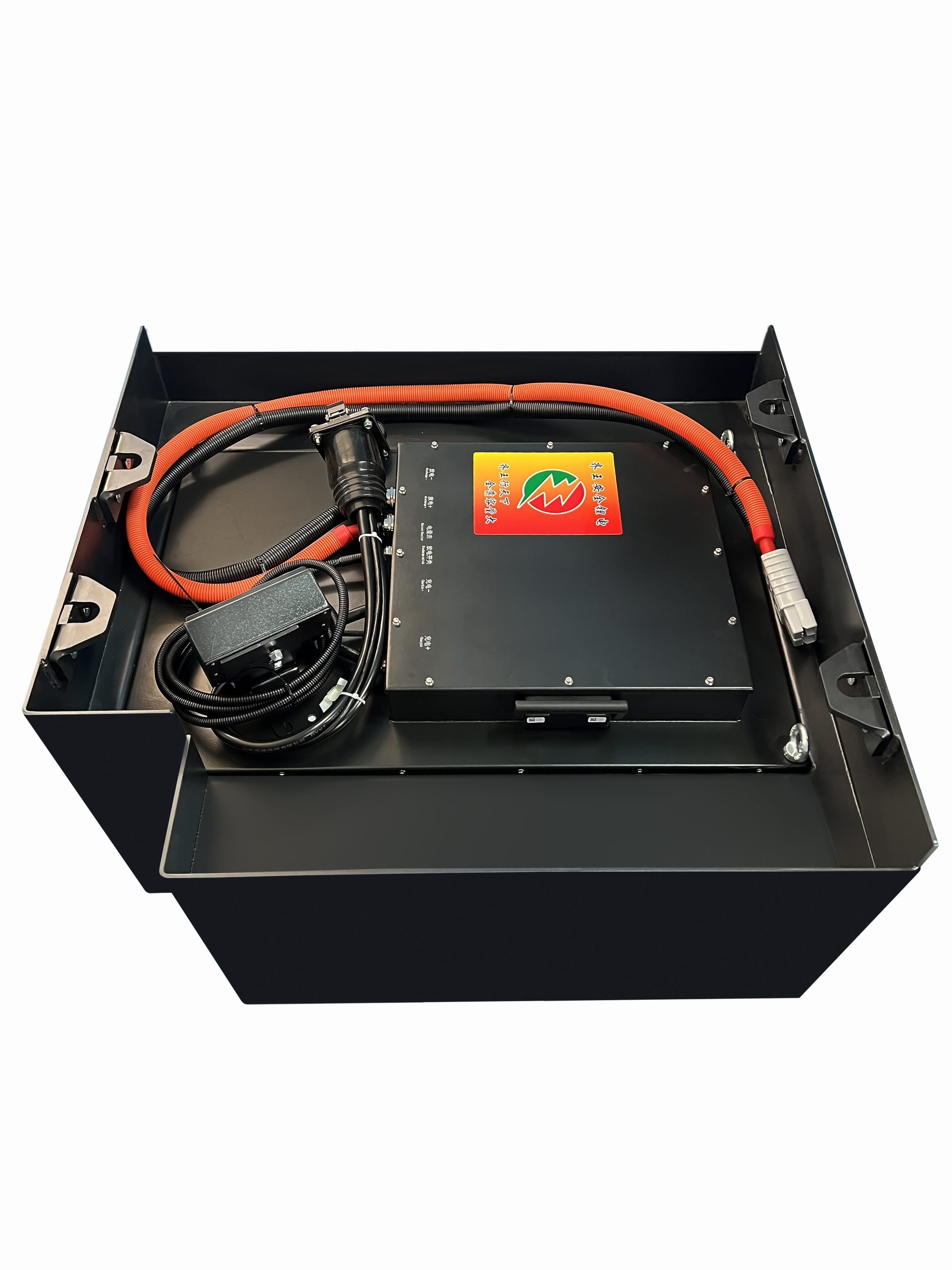
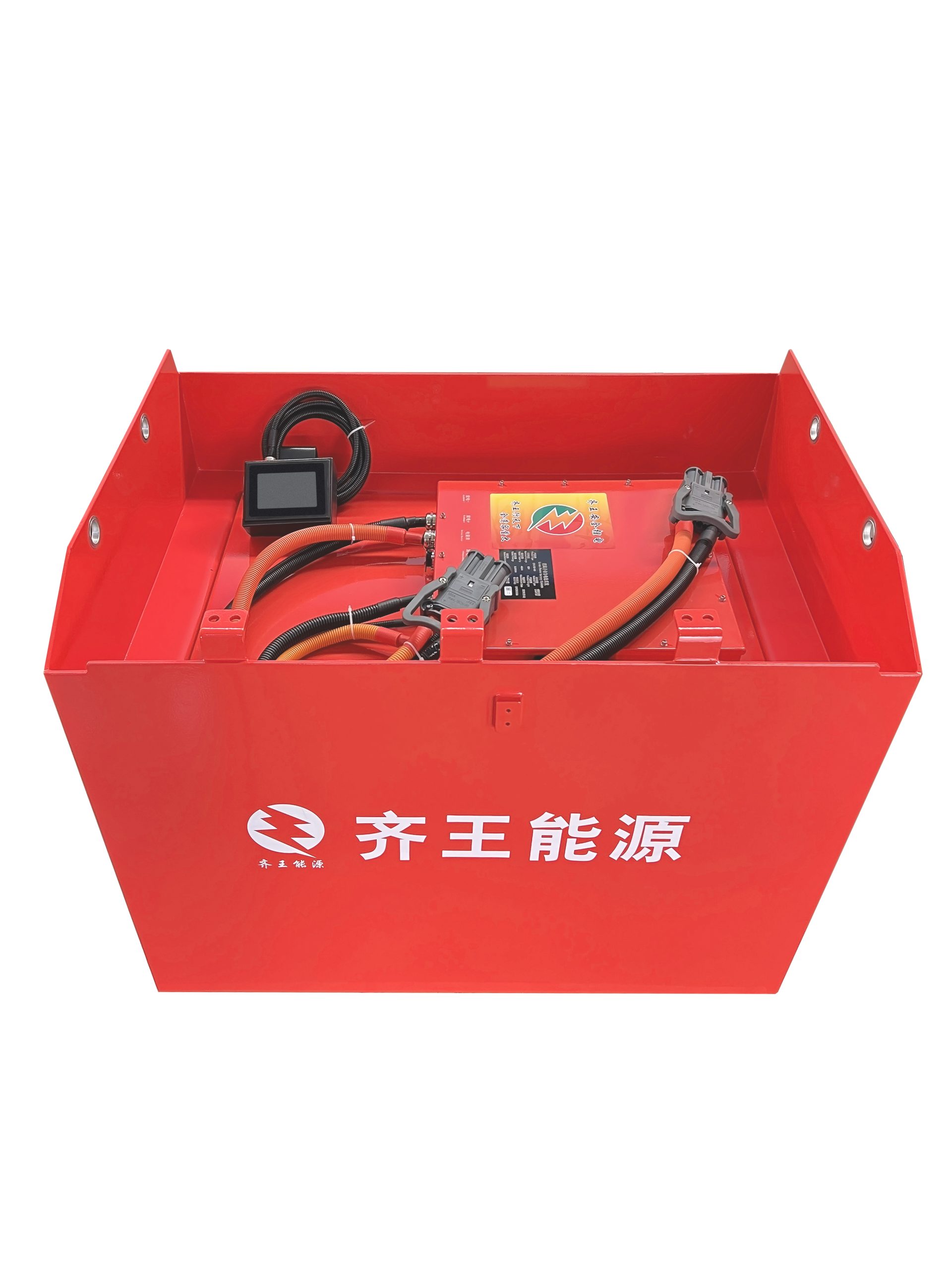
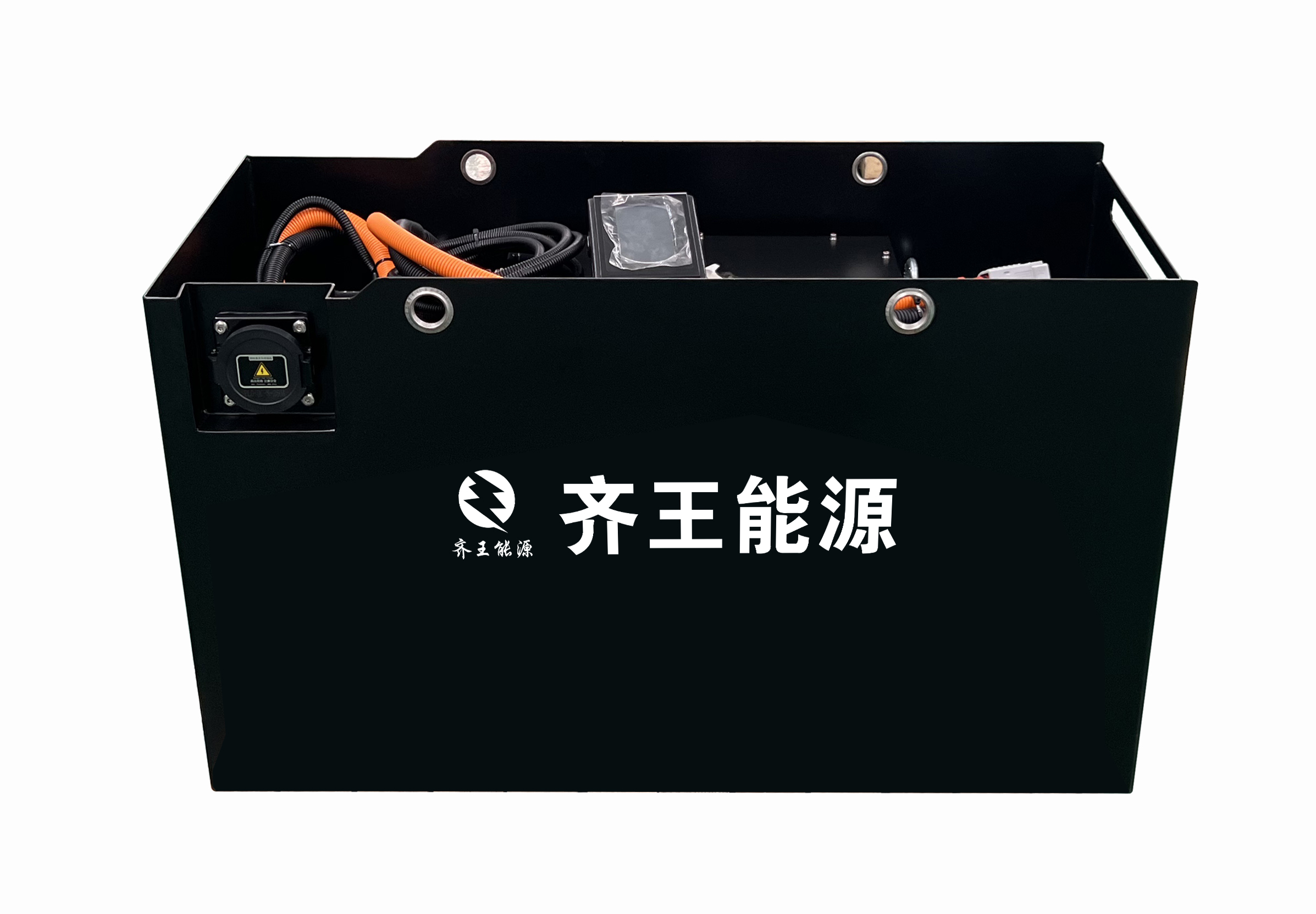
Qiwang Energy forklift LiFePO4 battery (actual photo) — complete certification is required before export
Part 2 — United States: UL Standards and Tariffs in Parallel
4. Product Safety Standards (UL Series)
Standard
Scope
Notes
UL 2580
Electric forklift / industrial vehicle batteries
Main certification for US forklift battery market
UL 1973
Stationary energy storage batteries (ESS)
Required for grid interconnection and insurance
UL 9540A
Thermal runaway propagation test for ESS
Core evidence for fire approval; costly and time-consuming
UL 9540 / NFPA 855
ESS system certification / installation code
Essential for project deployment
FCC Part 15
Electromagnetic compatibility
Relevant for batteries with BMS communication features
5. Section 301 Tariffs: Key Escalation in 2026
In May 2024, the US announced tariff increases on Chinese batteries, phased in over time:
EV batteries: tariff raised from 7.5% to 25% (effective 2024)
Non-EV lithium batteries (incl. ESS, forklift, e-bike): raised to 25% in 2026 — recalculate your cost model this year
Natural graphite (anode material): raised to 25% in 2026
Response strategies: overseas manufacturing (Southeast Asia assembly), supply chain traceability (proving non-Chinese cell origin), compliant transshipment, or sharing tariff costs with customers.
6. Other US Compliance Points
DOT 49 CFR 173.185: US lithium battery transport rules, paired with UN38.3
California Prop 65: warning labels for lead, cadmium, etc. — required for California sales
EPA regulations: battery recycling and waste management requirements
Verify 2026 Section 301 rates; update quotations and cost models
Immediately
P0
Carbon footprint data collection for industrial batteries (2kWh+)
Before Feb 2026
P1
Build battery passport data systems (BMS/supply chain/recycling)
Before Feb 2027
P1
Schedule UL 2580/1973/9540A testing (3-6 month lead time)
As early as possible
P2
Renew UN38.3 reports; review SDS/MSDS versions
Before shipment
Conclusion: Compliance Is Long-Term Competitiveness
In 2026, the compliance bar will only get higher. Rather than reacting passively, turn compliance capability into a differentiating advantage — for EU and US customers, a supplier with complete certifications is synonymous with trustworthiness.
Qiwang Energy’s commitment: We have long served export customers and are familiar with EU/US certification systems and transport compliance. We can suggest certification roadmaps and provide customized battery solutions for your project. Contact our technical team for consultation.