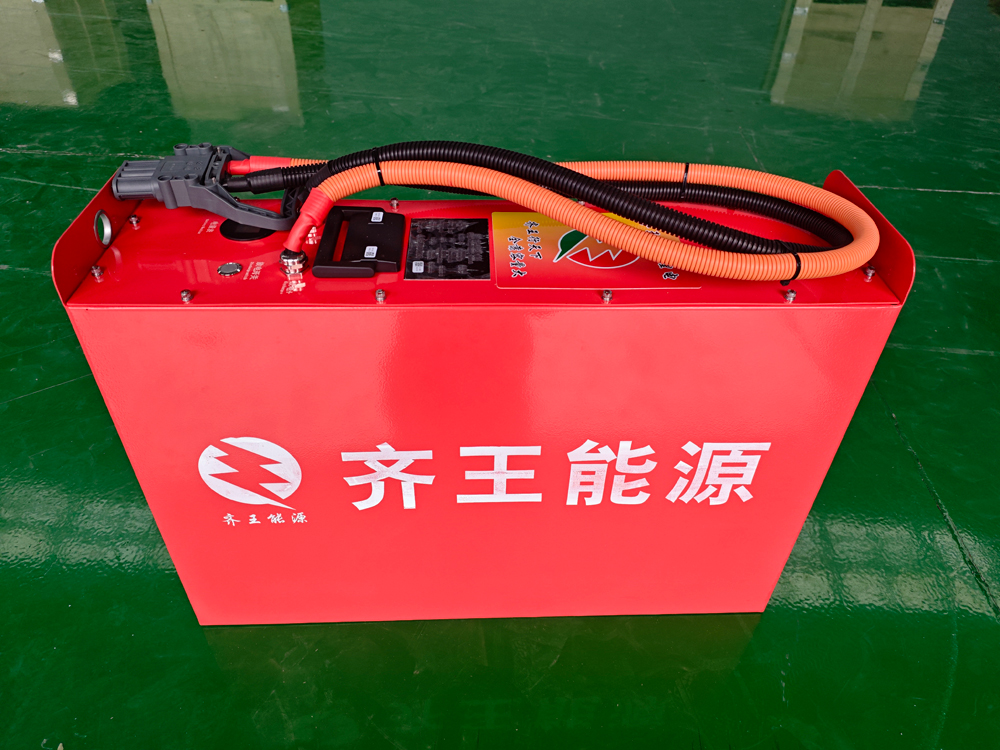
Lithium Battery Basics: Choosing the Right Forklift Voltage Platform
Core conclusion: Lithium Battery Basics: Choosing the Right Forklift Voltage Platform
Selecting the correct lithium forklift volt……
Lithium Battery Basics: Choosing the Right Forklift Voltage Platform
Core conclusion: Lithium Battery Basics: Choosing the Right Forklift Voltage Platform
Selecting the correct lithium forklift voltage platform is not a matter of arbitrary capacity scaling; it dictates motor drive compatibility, BMS architecture, and long-term TCO. For modern material handling equipment, standardized platforms—typically 48V, 80V, or 96V—are engineered to optimize C-rate delivery while maintaining safe insulation distances and regulatory compliance. Upgrading from legacy lead-acid systems requires precise cell-to-Pack integration, where LiFePO4 chemistry ensures stable SOC/SOH tracking across high-discharge cycles. Engineers and procurement leads must align voltage selection with existing inverter ratings, charger infrastructure, and thermal management limits before finalizing a battery specification.
What Is the Forklift Voltage Platform?
In lithium battery PACK design for material handling, the voltage platform refers to the nominal system voltage determined by the series string configuration of LiFePO4 cells. Unlike lead-acid batteries that exhibit significant voltage sag under load, modern PACKs maintain a flat discharge curve, making precise nominal voltage selection critical for powertrain integration. Standardized platforms—most commonly 48V, 80V, and 96V—align with OEM motor controller specifications and industrial safety standards such as EN 12895 and ISO 3691.
Voltage platform selection directly influences PACK structural engineering, including busbar sizing, contactor ratings, and isolation resistance. A higher voltage platform reduces current draw for equivalent power output, which minimizes I²R losses and allows thinner harness routing within tight chassis envelopes. However, it also demands stricter BMS cell-to-cell balancing algorithms and enhanced creepage clearance to meet IEC 62619 certification requirements.
How the Voltage Platform Operates Within a LiFePO4 PACK
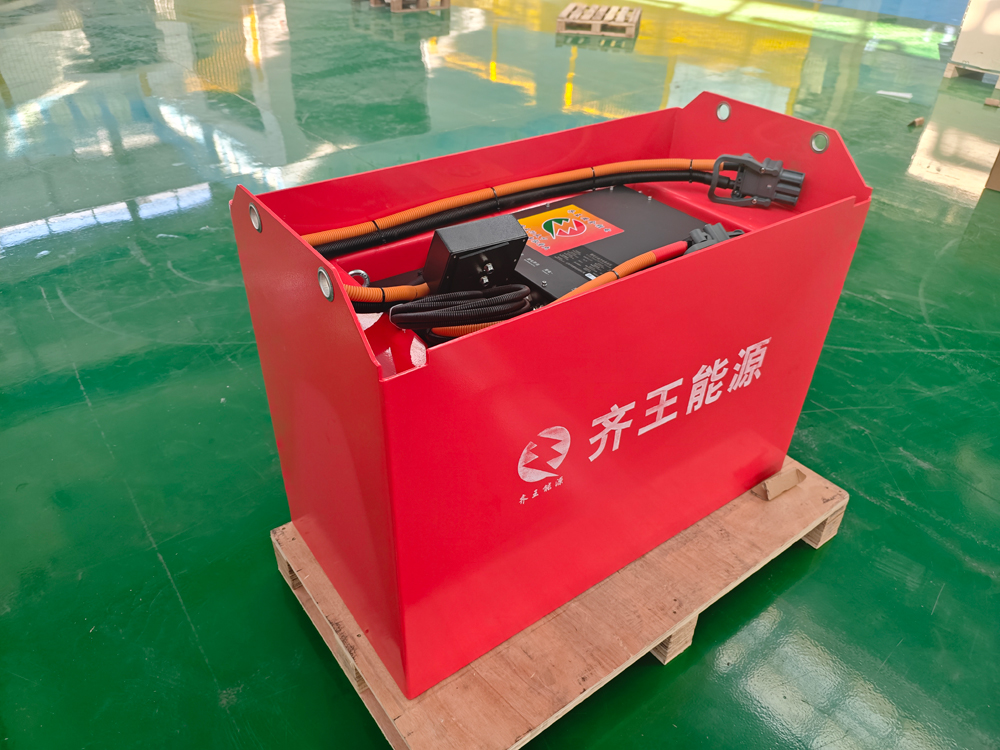
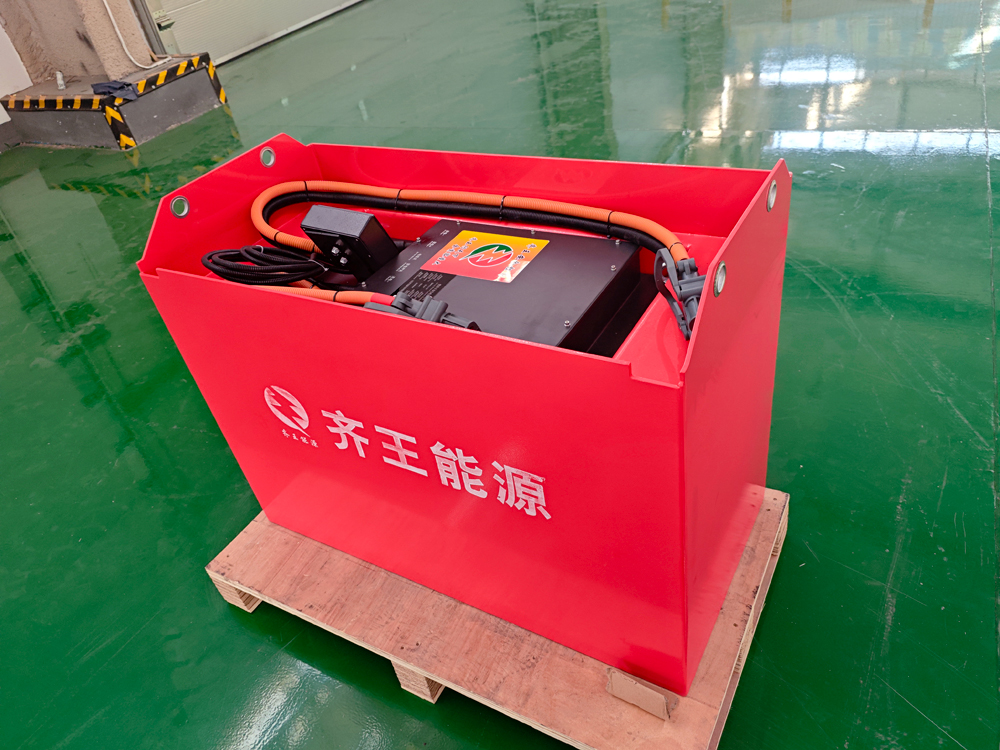
The electrical architecture of a forklift lithium PACK relies on carefully calculated series-parallel (S×P) cell arrangements to achieve target nominal voltage and capacity. Each series string dictates the platform voltage, while parallel groups scale the amp-hour rating and current delivery capability. The BMS continuously monitors SOC and SOH, applying active or passive balancing to prevent overvoltage or undervoltage conditions during peak load events.
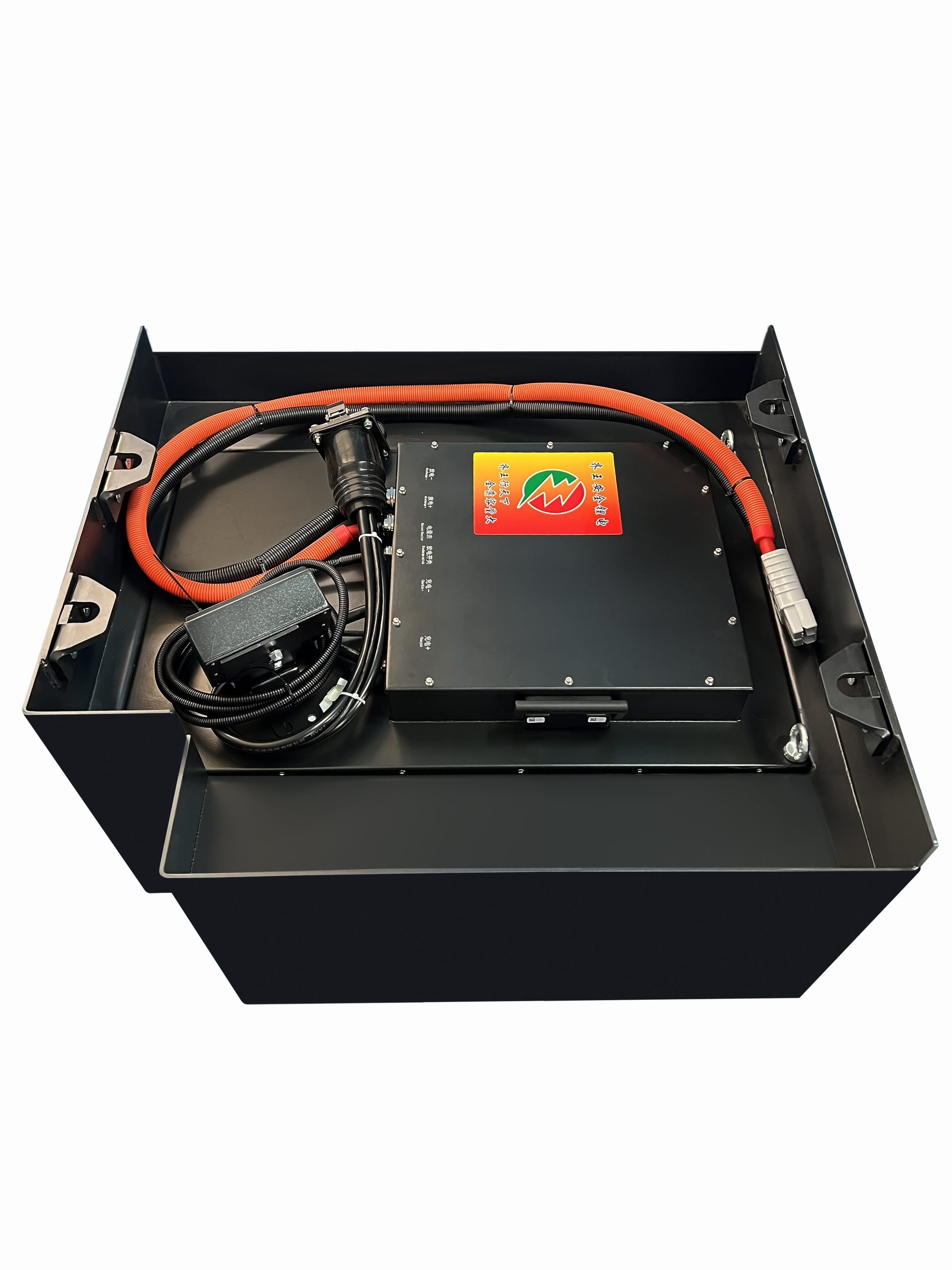
Lithium Battery Basics: Choosing the Right Forklift Voltage Platform – 配图1
During operation, the system voltage interacts directly with the traction inverter’s DC-link capacitance and switching frequency. A properly matched platform ensures optimal C-rate utilization, allowing the PACK to deliver sustained 0.5C continuous discharge while handling 2C–3C burst currents for acceleration or mast lifting without excessive thermal rise. Structural engineers must account for voltage-dependent state-of-charge estimation algorithms, as LiFePO4’s flat OCV curve requires advanced filtering to maintain SOC accuracy below ±2%.
Application Mapping and Platform Selection
Selecting the appropriate voltage platform depends on forklift class, duty cycle, and existing electrification infrastructure. The following comparison outlines industry-standard configurations:
Voltage Platform
Typical Forklift Class
Inverter Compatibility
TCO & Infrastructure Impact
48V
Light-duty (1–2 tons)
Standard DC/AC converters
Low-cost chargers; higher current losses
80V
Medium-duty (2–3.5 tons)
Universal AC drive systems
Balanced TCO; widespread charger support
96V
Heavy-duty (3.5–5 tons)
High-power inverter modules
Reduced cabling costs; requires premium BMS
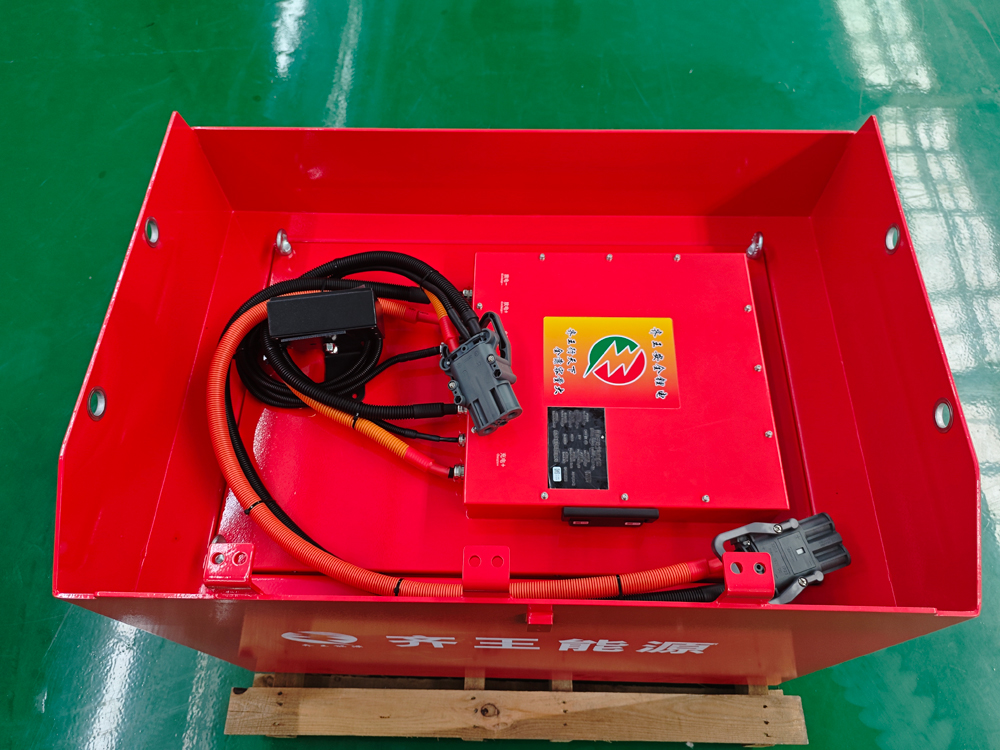
For high-throughput warehouses requiring shift-long operation, 80V platforms deliver the optimal balance of power density and charging compatibility. Facilities upgrading from lead-acid to LiFePO4 should verify inverter voltage tolerance windows before specifying a new PACK architecture.
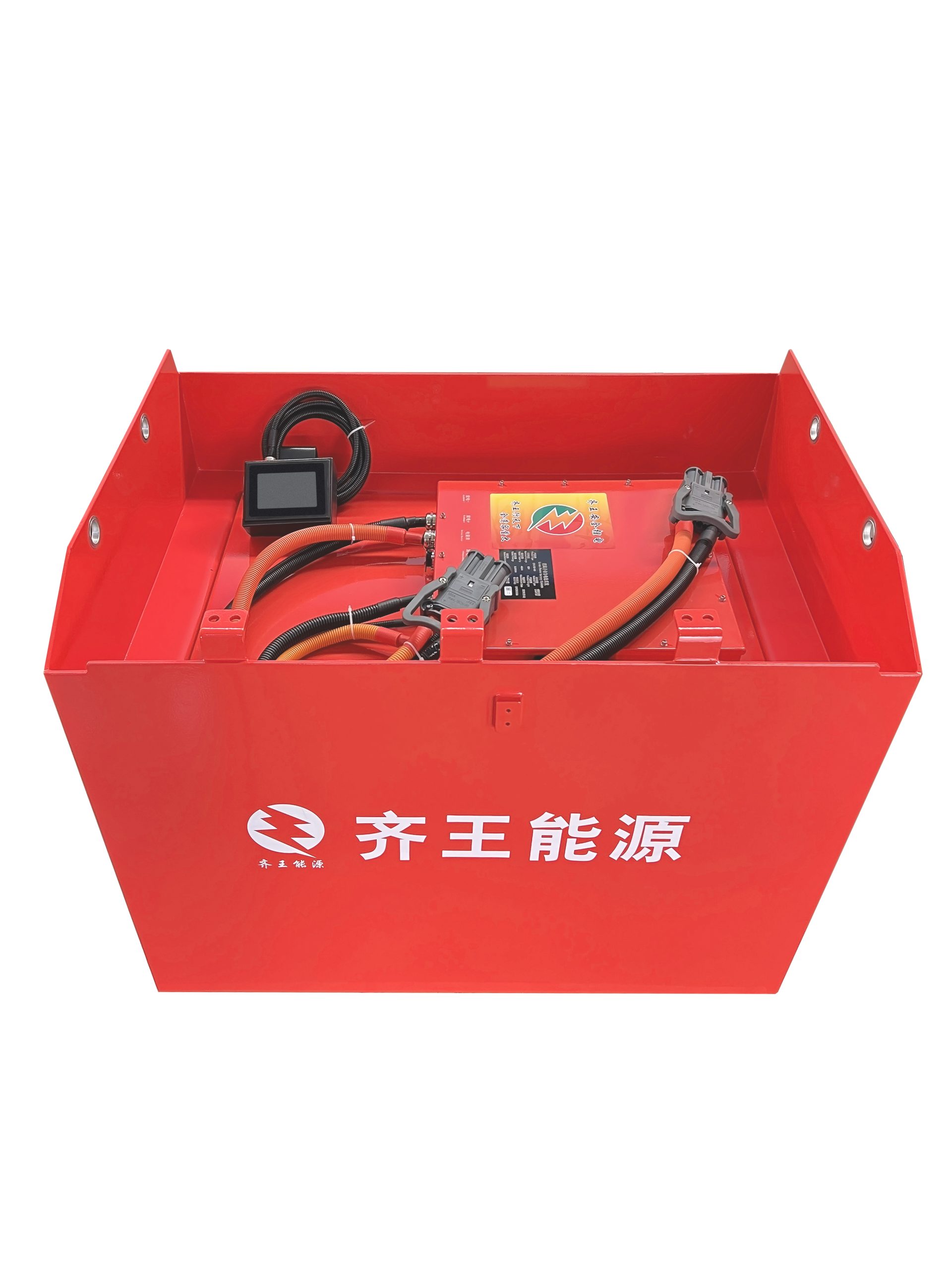
Lithium Battery Basics: Choosing the Right Forklift Voltage Platform – 配图2
Frequently Asked Questions
Can I retrofit a higher-voltage platform into an existing forklift chassis? Only if the traction motor, inverter, and charging port support the target voltage. Mismatched platforms cause inverter overvoltage faults or inefficient regenerative braking.
How does the BMS affect platform selection? The BMS must scale with voltage architecture. Higher series counts require more precise voltage sensing (±10mV accuracy) and isolated communication protocols (CANbus/J1939) to maintain real-time SOC/SOH alignment.
What is the expected cycle life at platform-rated C-rates? Industrial LiFePO4 PACKs typically exceed 3,500 cycles at 80% DOD when operated within 0.3C continuous and 2C peak limits. Thermal management design directly impacts SOH retention.
Do fast chargers require platform-specific adapters? Yes. Constant current/constant voltage (CC/CV) profiles must match the PACK’s nominal voltage window. Cross-platform charging risks BMS communication errors and cell degradation.
Summary & Next Steps
Selecting the right lithium forklift voltage platform is a critical engineering decision that bridges cell chemistry, powertrain electronics, and lifecycle economics. By aligning nominal voltage with inverter ratings, BMS scalability, and TCO objectives, material handling operators can maximize uptime while minimizing total cost of ownership. For precision-engineered LiFePO4 PACK solutions tailored to your forklift architecture, Shandong Qiwang Battery Co., Ltd. provides full structural design support, certified BMS integration, and global supply chain reliability. Contact our engineering team today to optimize your electrified fleet performance.
Need a custom solution? Contact our technical team for customized battery pack solutions and quotations.