
0539-7771777服务热线

Honorary Qualification 1

Honor Qualification 2
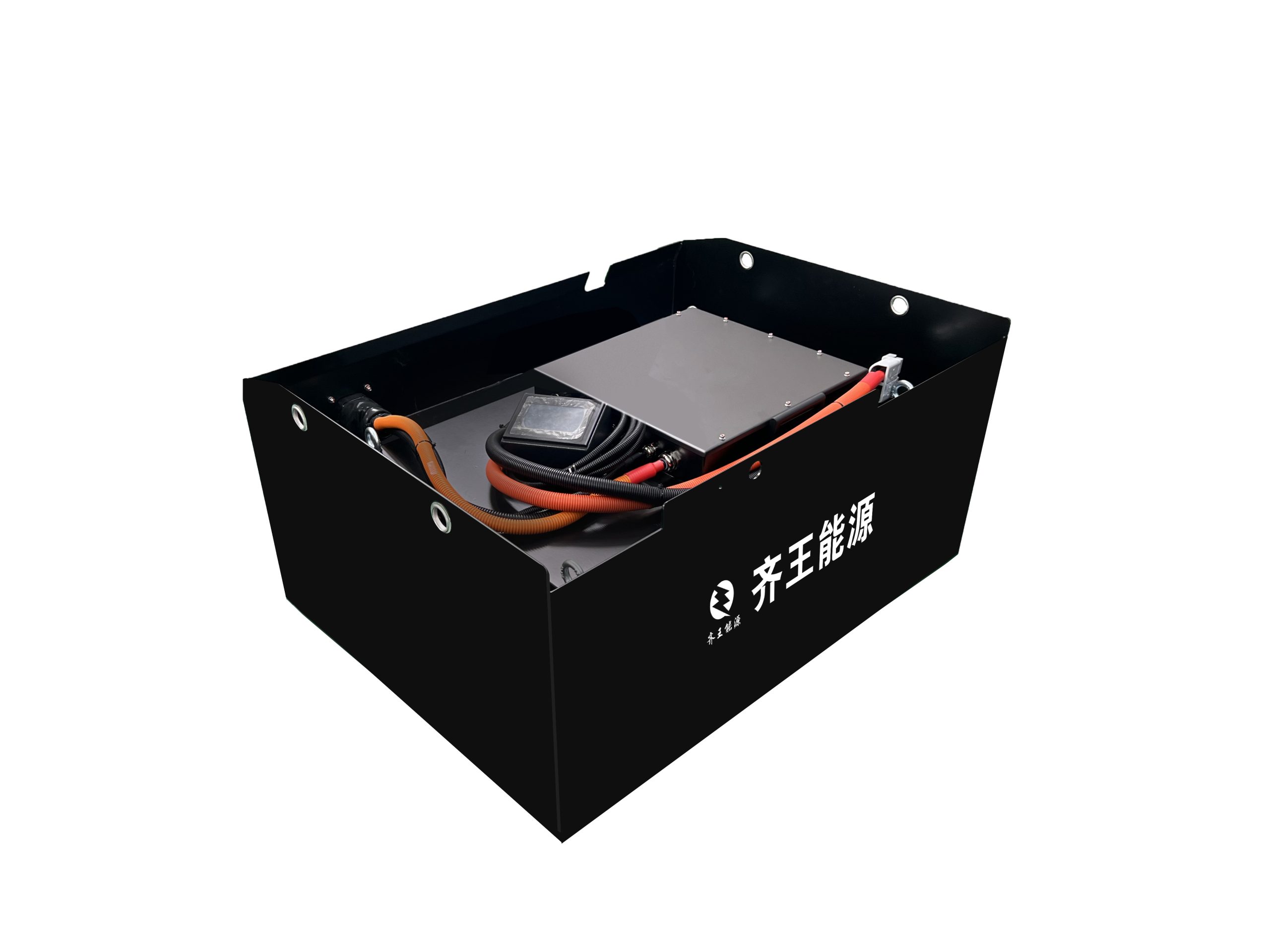
1. Charge and Discharge Management Avoid Deep Discharge Lower Discharge Limit: The recommended depth of discharge (DoD) for forklift lithium batteries is 20%-30%. Avoid charging below 20% (frequent ……

Lithium iron phosphate (LiFePO4) is particularly well-suited for power applications, hence the inclusion of the word “power” in its name, resulting in a lithium iron phosphate power batt……
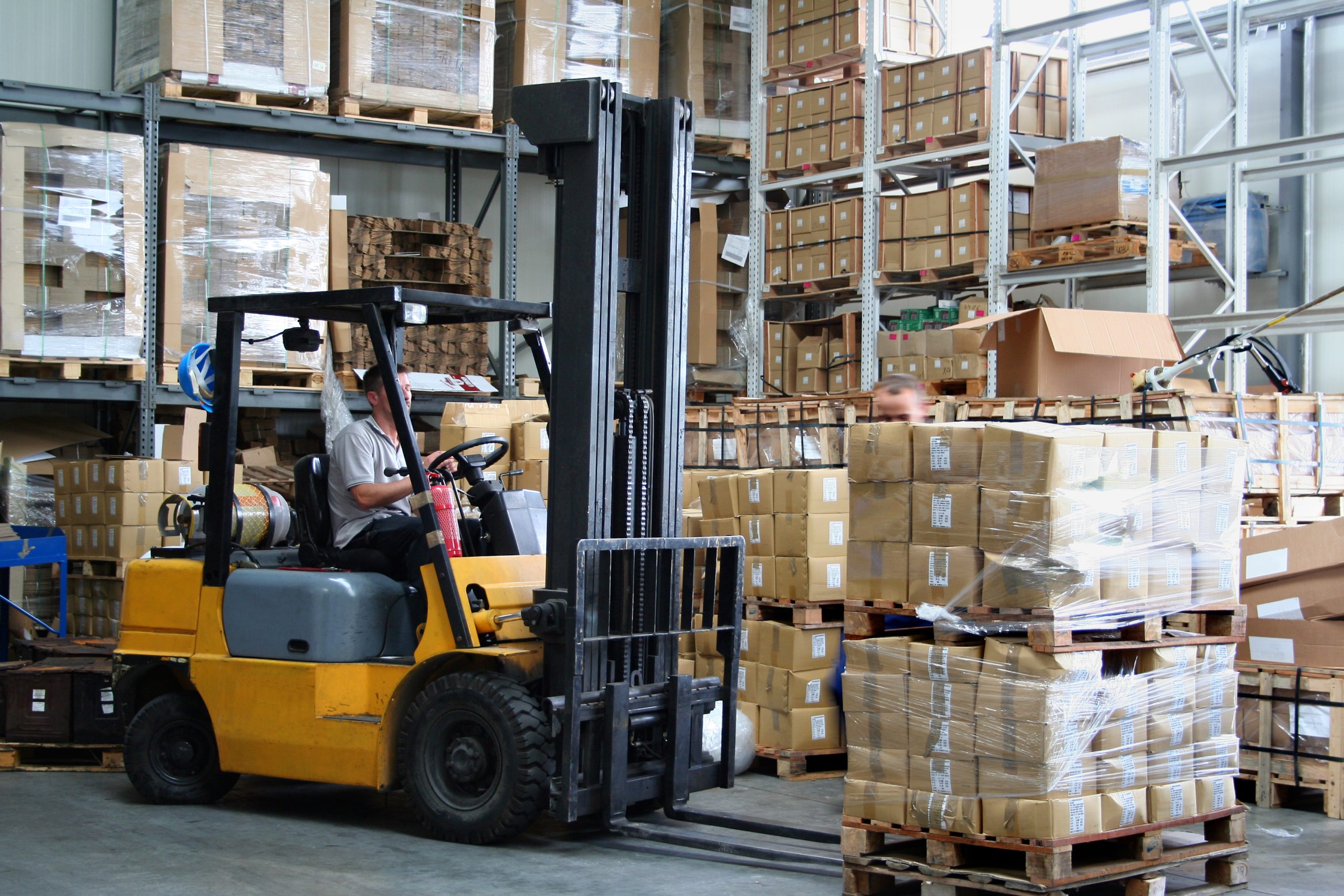
I. Basic Characteristics Comparison Characteristics Lead-Acid Forklift Battery Lithium-Ion Forklift Battery Working Principle Discharge occurs through a chemical reaction between lead plates and sul……
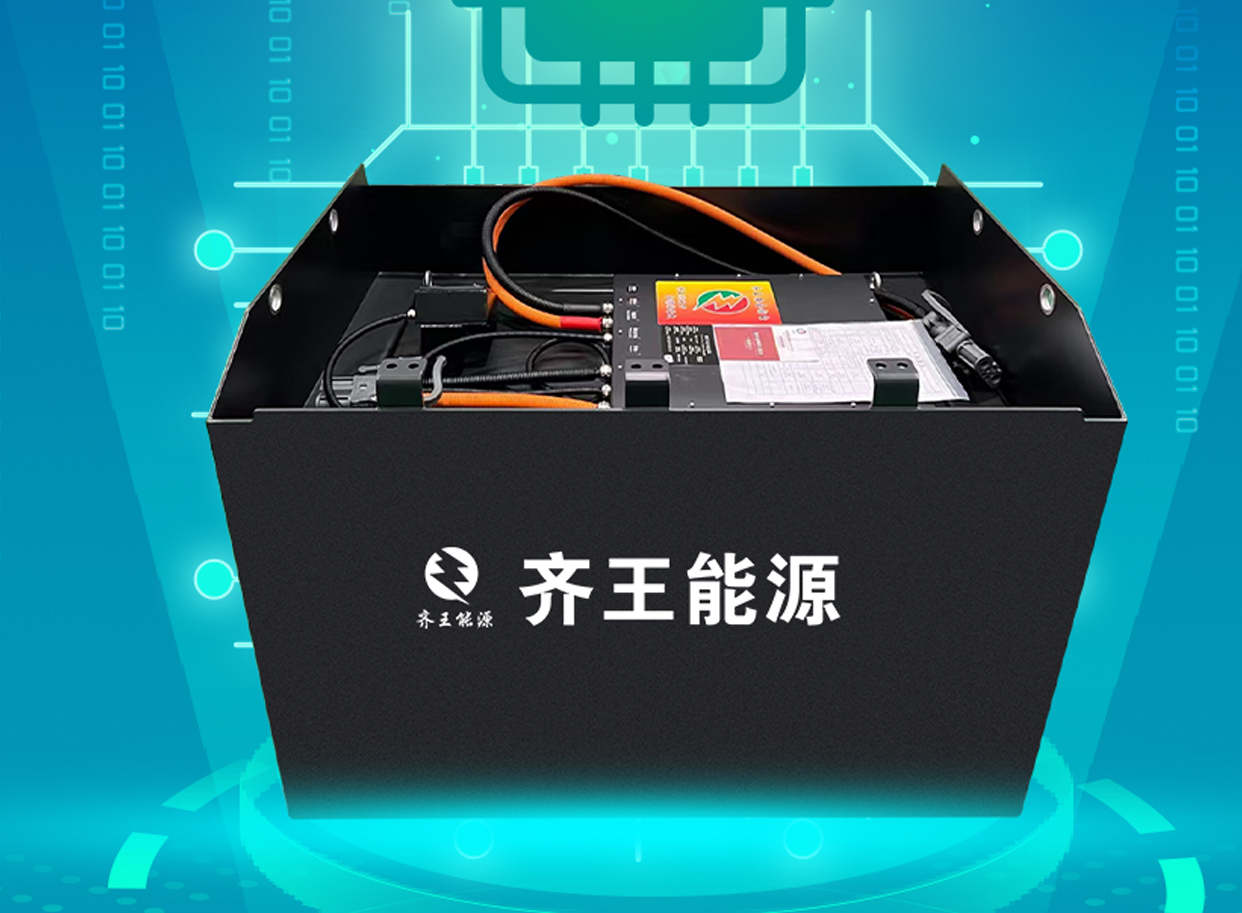
1. Excessive internal pressure. The lithium battery casing is not made of metal and is inherently soft, so it cannot be squeezed vigorously. 2. Unqualified external packaging. First, during the batt……
I. Core Structure 1. Cell Type: Primarily lithium iron phosphate (LFP) cells, they are suitable for high-frequency charging and discharging in forklifts due to their high thermal stability, long cyc……
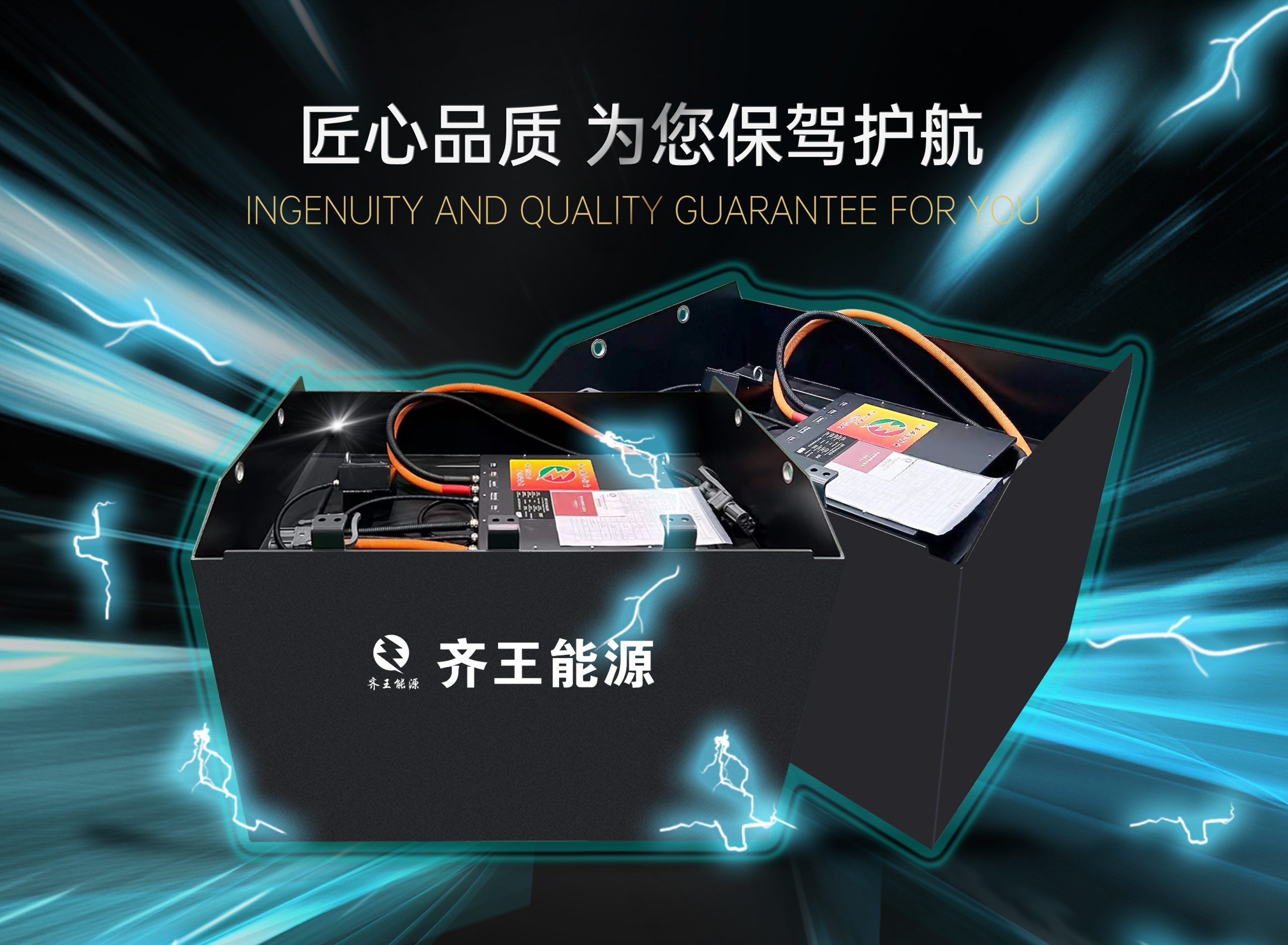
1. Performance Advantages High Energy Density, Lightweight Design Energy Density: Lithium-ion battery packs have an energy density of approximately 150-250 Wh/kg, 3-5 times that of lead-acid batteri……
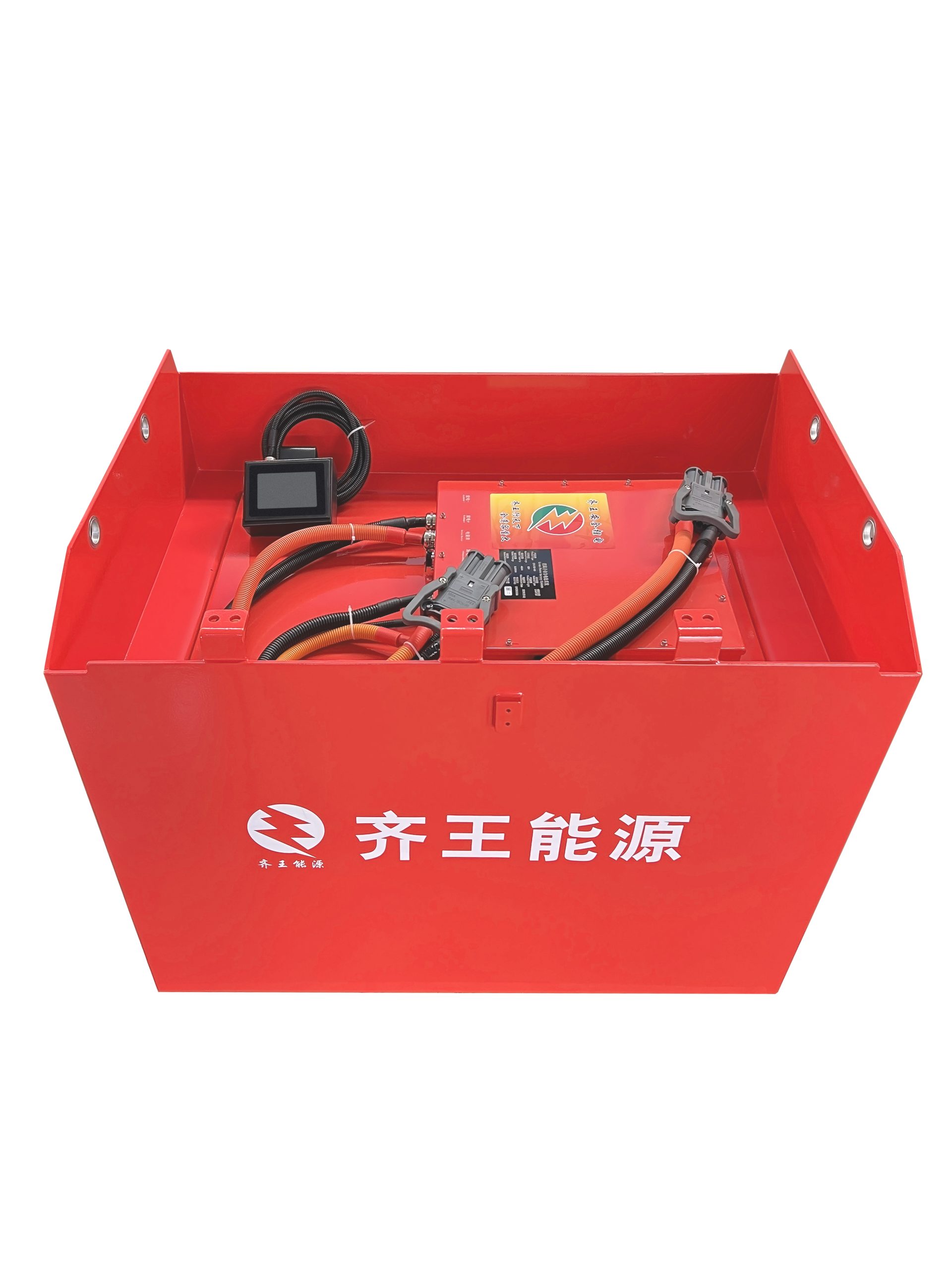
Causes of battery discharge? 1. Leaving the car’s ignition off and using electrical devices for extended periods can cause the battery to discharge. 2. Long-term parking can also cause the bat……
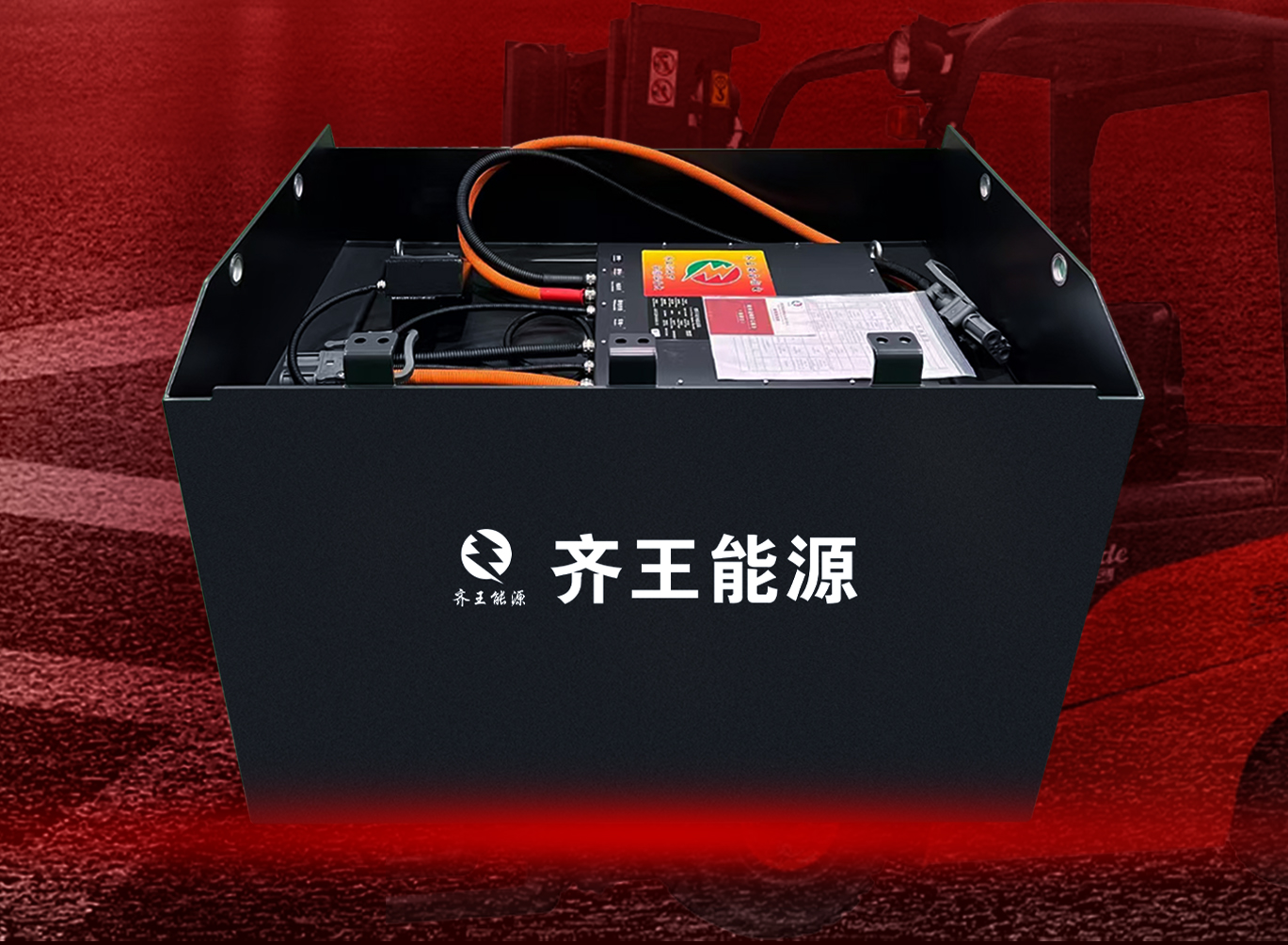
In recent years, with increasingly stringent environmental regulations and the rapid development of new energy technologies, electric forklifts, thanks to their zero-emissions, low-noise, and high-e……