I. Basic Characteristics Comparison
Characteristics
Lead-Acid Forklift Battery
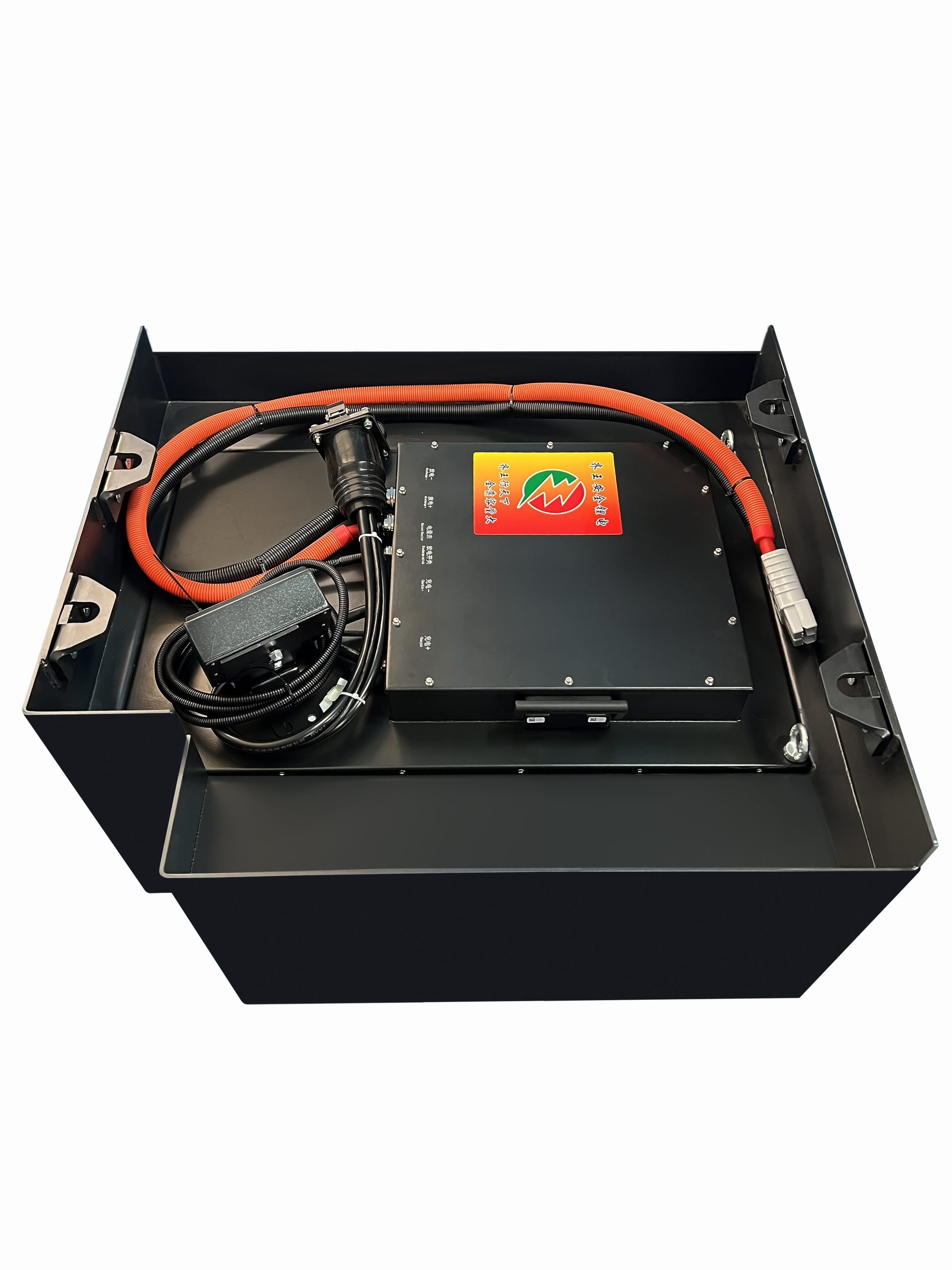
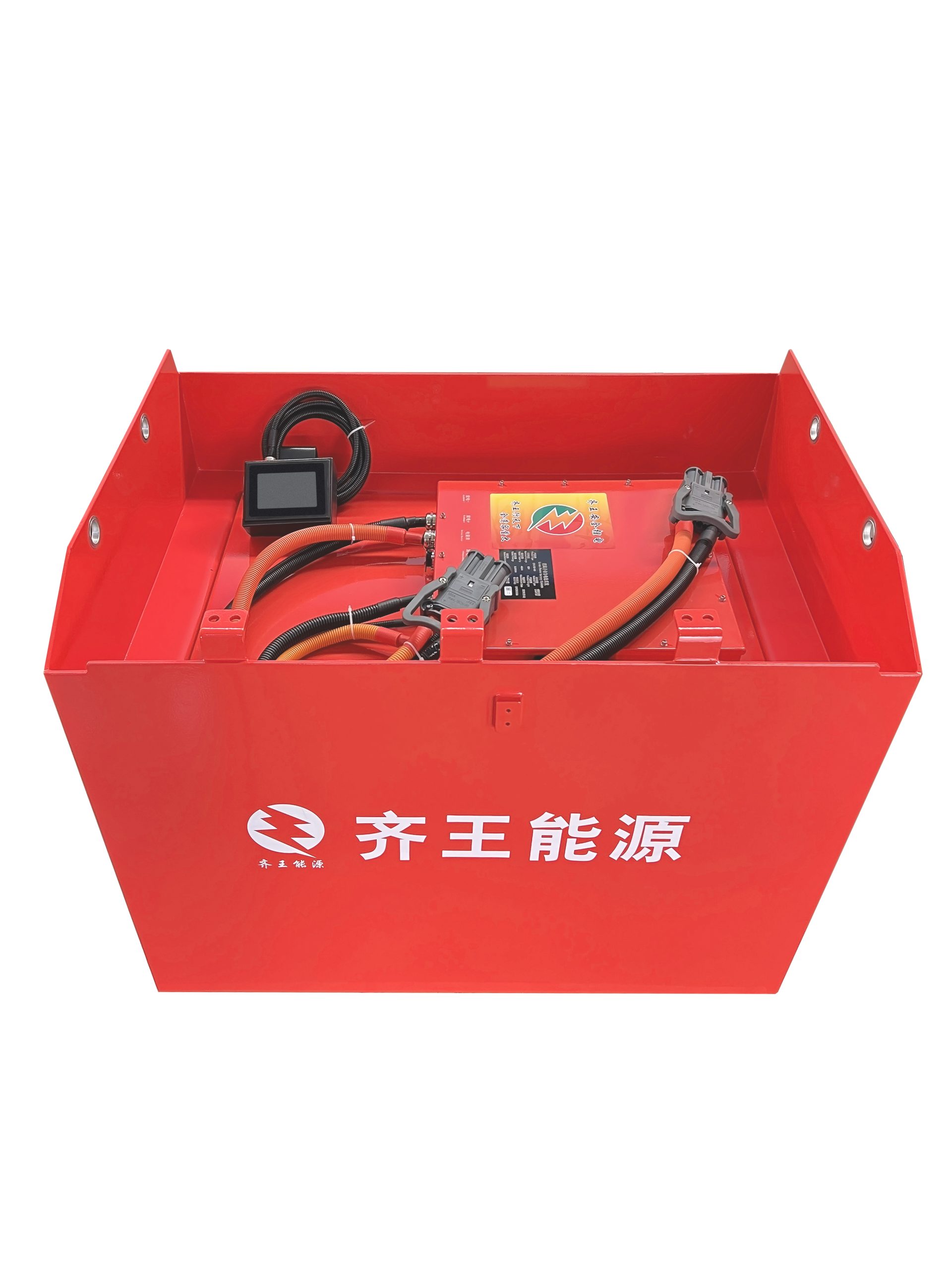
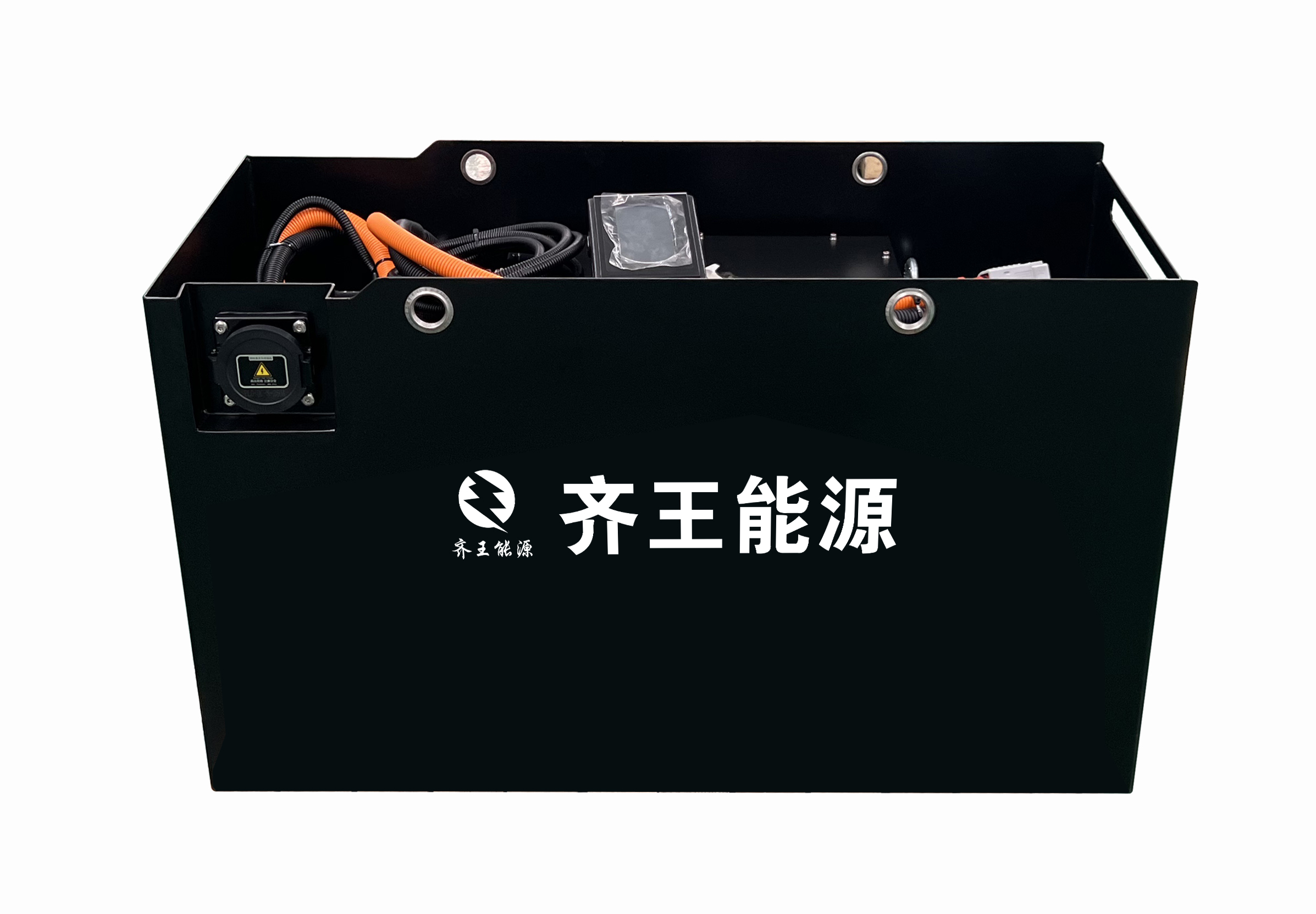
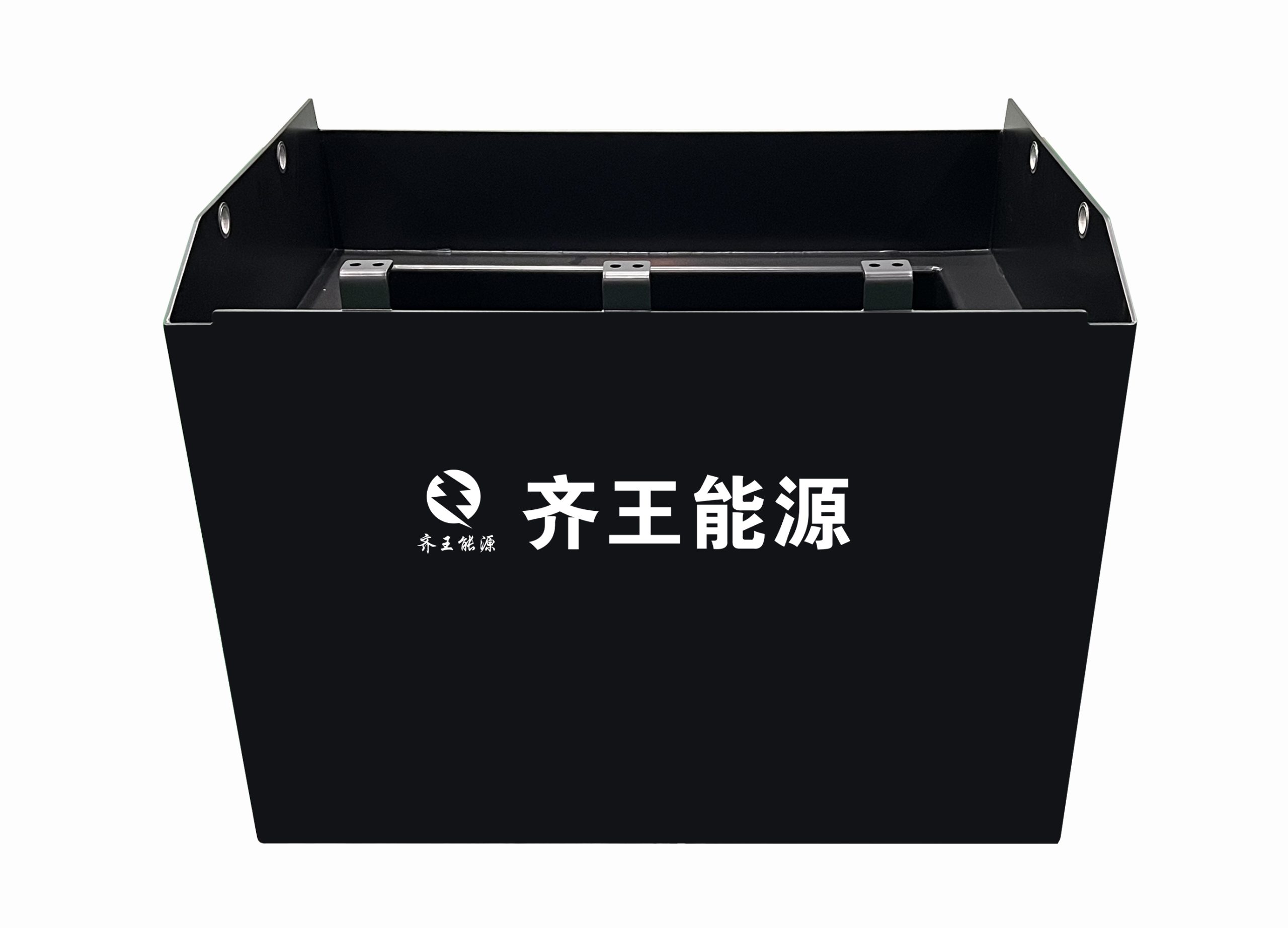
Lithium-Ion Forklift Battery
Working Principle
Discharge occurs through a chemical reaction between lead plates and sul……
I. Basic Characteristics Comparison
Characteristics
Lead-Acid Forklift Battery
Lithium-Ion Forklift Battery
Working Principle
Discharge occurs through a chemical reaction between lead plates and sulfuric acid electrolyte. Discharge occurs through the movement of lithium ions between the positive and negative electrodes.
Energy Density
Low (approximately 30-50 Wh/kg)
High (approximately 150-250 Wh/kg)
Cycle Life
Approximately 300-500 cycles (20% depth of discharge)
Approximately 2,000-5,000 cycles (80% depth of discharge)
Charging Time
8-12 hours (full charge required)
2-4 hours (fast charging supported, some batteries can reach 80% charge)
Maintenance
Requires regular watering, cleaning, and equalization charging. Virtually maintenance-free (no watering required).
Weight
Heavy (larger volume, lower energy density)
Light (smaller volume for the same capacity)
Temperature Adaptability
Poor low-temperature performance (decreased efficiency below 0°C)
Better high-temperature adaptability (but avoid overheating)
Safety Stable, but prone to leakage and swelling. Requires BMS protection. Overcharge/over-discharge risks are manageable.
II. Core Advantages and Disadvantages Analysis
1. Lead-acid Batteries
Advantages:
Low Cost: Initial purchase price is only 1/3 to 1/2 of that of lithium batteries.
Mature Technology: High stability, suitable for low-frequency, light-load scenarios.
Recycling Value: Lead-acid batteries are recyclable and have a high residual value.
Disadvantages:
Complex Maintenance: Requires regular electrolyte level checks, distilled water replenishment, and vent cleaning.
Heavy: Takes up a lot of space, making transportation difficult.
Short Lifespan: Low cycle count, potentially higher long-term costs.
Environmental Limitations: Capacity drops sharply at low temperatures, prone to water loss and aging at high temperatures.
2. Lithium Batteries
Advantages:
Efficient and Energy-Saving: High energy density, resulting in a smaller size and lighter weight for the same amount of power. Long Lifespan: 3-5 times the cycle life of lead-acid batteries, ensuring worry-free long-term use.
Fast Charging: Supports fast charging, minimizing downtime and improving operational efficiency.
Maintenance-Free: No water addition required, intelligent management (BMS system monitors status).
Environmentally Friendly: No heavy metal pollution, aligning with green development trends.
Disadvantages:
High Initial Cost: The purchase price is approximately 2-3 times that of lead-acid batteries.
Safety Risks: Poor-quality batteries or improper use may cause thermal runaway (select branded products).
III. Recommended Application Scenarios
1. Suitable Applications for Lead-Acid Batteries
Low-Frequency Use: For example, warehouse operations involving small amounts of cargo, with daily work hours less than 4 hours.
Budget-Limited: Businesses are sensitive to initial investment costs and require low operational intensity.
Low-Temperature Environments: Suitable for severely cold northern regions (lithium batteries require insulation). 2. Scenarios Suitable for Lithium Batteries
High-Frequency, High-Intensity Operations: Examples include logistics centers and manufacturing assembly lines, requiring continuous operation for more than 8 hours per day.
Efficiency Needed: Requires fast charging and minimal downtime (e.g., 24-hour shifts).
Space Constrained: Compact forklift designs require lightweight batteries.
Long-Term Cost Sensitivity: While the initial investment is high, long-term use reduces replacement and maintenance costs.
VI. Summary
Lead-Acid Batteries: Economical, but difficult to maintain and short-lived, suitable for low-frequency, low-cost applications.
Lithium Batteries: Highly efficient and durable, with better long-term cost performance, suitable for high-frequency, high-load applications.