0539-7771777服务热线

作者: 山东齐王蓄电池有限公司官网发表时间:2025-09-22浏览量:140 次【小中大】
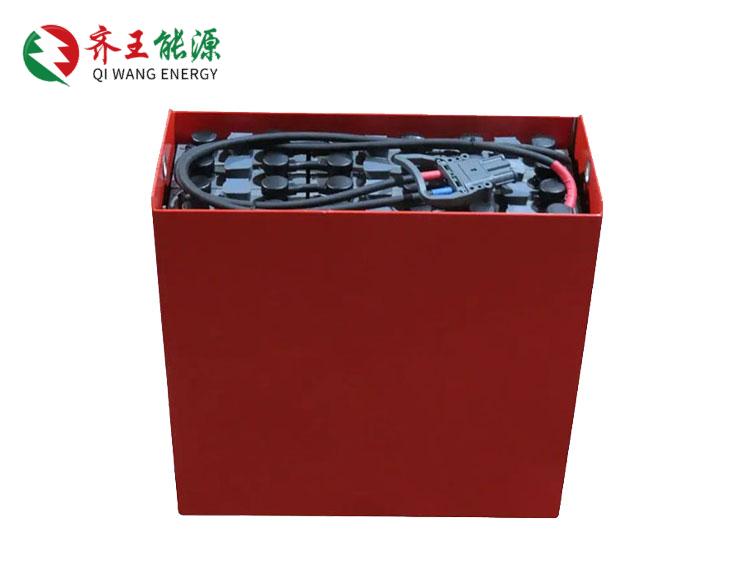
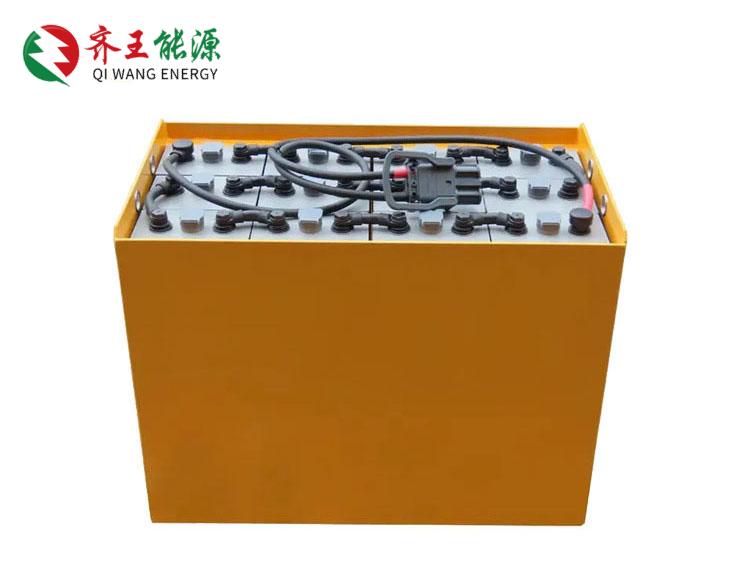
I. Core Structure
1. Cell
Type: Primarily lithium iron phosphate (LFP) cells, they are suitable for high-frequency charging and discharging in forklifts due to their high thermal stability, long cycle life (approximately 3,000-5,000 cycles), and safety.
Arrangement: Multiple cells are connected in series or parallel to form modules (e.g., 20-100 strings). The total voltage is typically 24V, 48V, 72V, or 80V, and the capacity can reach 200-1000Ah.
Casing: Individual cells are encapsulated in a steel or aluminum-plastic package, with some modules featuring additional metal casings for enhanced protection.
2. Battery Management System (BMS)
Core Functions:
Real-time Monitoring: Monitors voltage, temperature, and current to prevent overcharging, over-discharging, and overcurrent.
Battery Balancing: Automatically balances cell voltages to prevent performance degradation due to cell variations.
Fault Diagnosis: Detects abnormalities (such as short circuits and overtemperature) and shuts down the circuit. Redundant Design: Dual BMS systems or independent fuses enhance reliability.
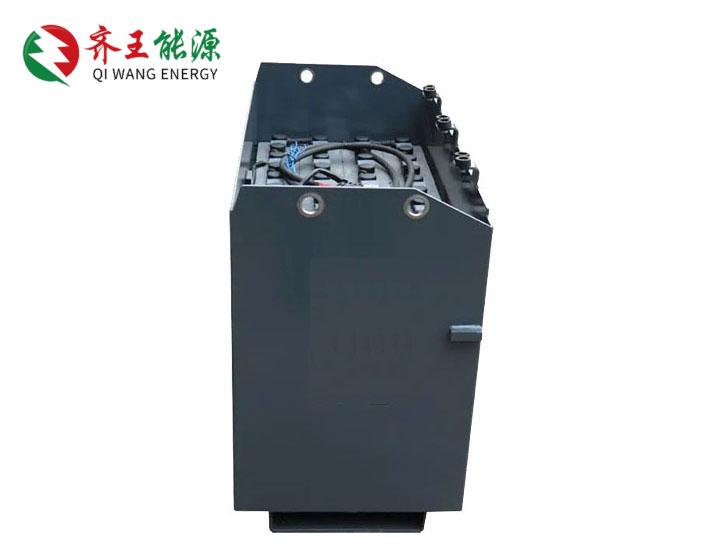
3. Structural Components
Module Frame: High-strength aluminum alloy or engineering plastic secures the battery cells and distributes pressure.
Connection: Laser welding or copper busbar flexible connections reduce internal resistance and provide vibration resistance.
Mounting Bracket: Integrated with the forklift frame, featuring vibration-resistant features (e.g., rubber pads, snap-on fasteners).
4. Thermal Management System
Cooling Methods:
Air Cooling: Built-in fan, suitable for low- and medium-power forklifts.
Liquid Cooling: Water-cooled plate + circulation piping, suitable for high-power or intensive operating conditions (e.g., cold chain warehouses).
Temperature Uniformity: Thermally conductive silicone and heat sinks ensure a cell temperature difference of ≤5°C.
II. Protection and Safety Structure
1. High-Voltage Connector
Anti-touch design (IP67/IP68 waterproof and dustproof), with a locking mechanism to prevent accidental disconnection. Built-in fuses and high-voltage interlock (HVIL) automatically alarm in the event of a wire break.
2. Insulation and Explosion-Proof
Insulation: Flame-retardant epoxy resin or ceramic coating is used between the battery cells to provide high-temperature resistance (>150°C).
Pressure Relief Valve: An explosion-proof valve is designed on the top of the module to release pressure in the event of an abnormality, preventing explosion.
3. Protection Rating
The housing meets IP67 (dust and water resistance) or IP69K (high-pressure, high-temperature washdown), suitable for forklift hydraulic fluids and humid environments.
III. Forklift-Specific Design Features
1. Modular Design
Modules can be quickly replaced and hot-swapped, minimizing downtime.
Standardized interfaces (such as CAN bus communication) ensure compatibility with different forklift brands.
2. High-Rate Discharge
Supports 2C to 5C continuous discharge (e.g., a 200Ah battery can discharge at 500A), meeting the instantaneous high torque requirements of forklifts. 3. Shock-Resistant Structure
Flexible spaces are reserved between battery cells, and polyurethane shock-absorbing pads are used to withstand the bumpy conditions of forklift trucks.

山东齐王蓄电池有限公司官网
手机:15053944567
电话:0539-7771777
QQ号码:380678675
地址:山东省临沂经济技术开发区香港路与合肥路交汇处西100米路南